Disability Advocacy ServiceSession 7 · 2 July 2026
PATH Leadership Group · Cohort 1
Session 7.
DAS · Mparntwe / Alice Springs01 / 19
Disability Advocacy Service11:00 · Welcome back
First, the most important thing
Acknowledgement of Country.
We acknowledge the Arrernte people as the Traditional Custodians of Mparntwe (Alice Springs).
We pay our respects to Elders past, present, and emerging.
We also acknowledge all the language groups across the Central Australia and Barkly region this program serves.
We pay our respects to all First Nations peoples whose knowledge, leadership, and lived experience guide this work.
We pay our respects to Elders past, present, and emerging.
We also acknowledge all the language groups across the Central Australia and Barkly region this program serves.
We pay our respects to all First Nations peoples whose knowledge, leadership, and lived experience guide this work.
Session 7 · Acknowledgement02 / 19
Disability Advocacy Service11:00 · Welcome back
Good to see you
Welcome back.
- One thing since we last met - short version. Mandy goes first. Pass is fine
- Last time - Small Steps - getting ready for your PATH Plan day
- Today is one topic - professional skills
- Skills you can pick up and put down. You choose what you want to work on
Session 7 · Welcome back03 / 19
Key Word Signwelcome
Disability Advocacy Service11:06 · Housekeeping
Before we start - quick check
Housekeeping.
Toilets
Out the door, signs in DKA. Ask if you can't find them - Lukas / Metia will walk you.
Assembly point
Staff carpark - green sign. If we can't get there, the visitor's carpark.
Phones
Silent please. Step out if you need to take a call. No drama.
Photos
Only if your Photo OK is ticked on the sign-in. Tell us if you change your mind.
Cards
Green = good. Yellow = not sure. Red = need to stop. Keep them handy - today's vote runs on these.
Food
Lunch around 12:00. Eat, breathe, then we keep going.
Session 7 · Housekeeping04 / 19
Key Word Signtoilet
Disability Advocacy Service11:11 · Today
Here's the plan.
11:00
Welcome back & Acknowledgement of Country
11:06
Housekeeping
11:11
Why professional skills
11:18
The menu - what do YOU want to work on?
11:30
How we'll do it + Mandy goes first
11:35
Active listening - card sort + drawings
12:00
Lunch
12:15
Things leaders can say - speaking-up cards
12:30
Chair prompts - keeping a meeting on track
12:45
Writing an email - the parts
12:54
Wrap-up, take-homes & see you
VenueAkaltye Room, DKA
AssemblyStaff carpark · green sign
Session 7 · Today05 / 19
Key Word Signtoday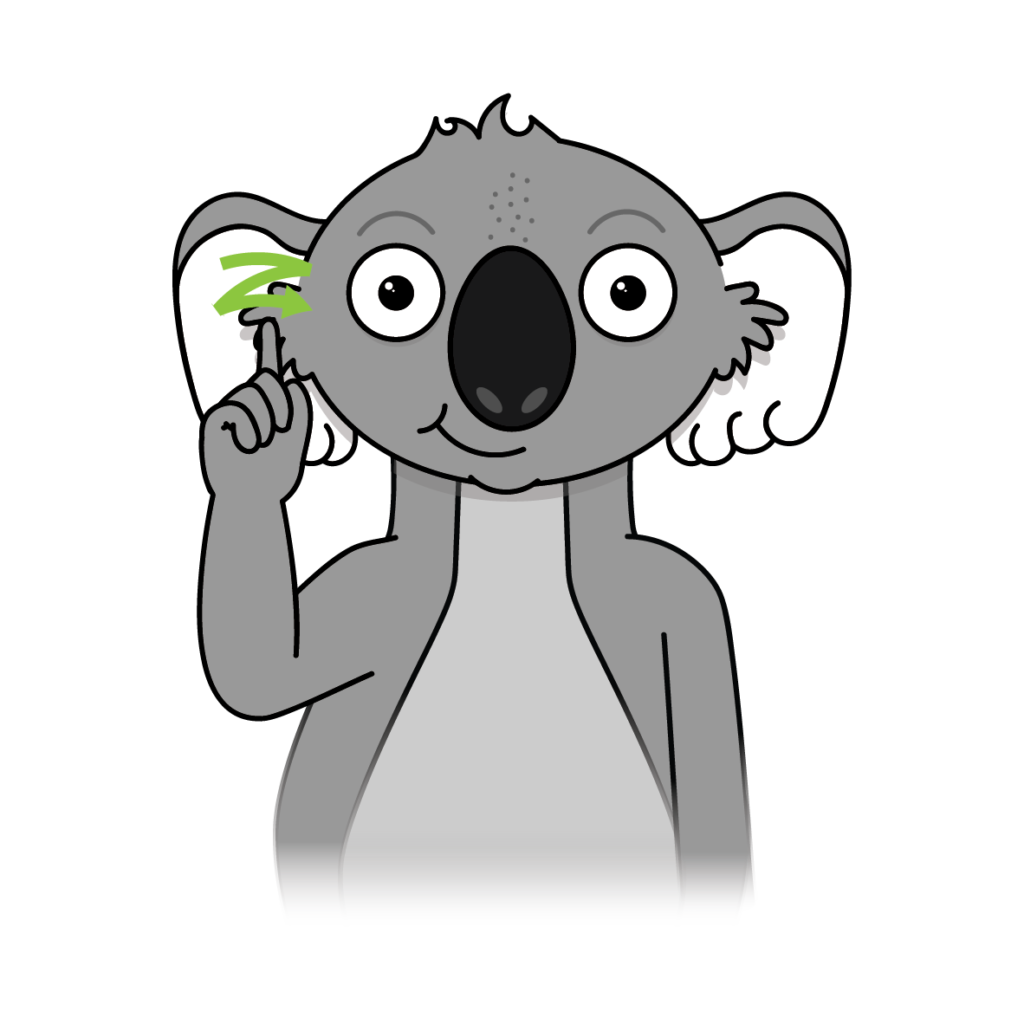
Disability Advocacy Service11:11 · Module 10
Module 10
Professional Skills.
Skills you can pick up and put down.
Choose what you want to work on.
Choose what you want to work on.
10
Session 7 · Professional Skills06 / 19
Key Word Signwork
Disability Advocacy Service11:11 · Why this
Why we cover this
Why professional skills?
- Leaders go to meetings. Leaders write emails. Leaders show up
- These are skills you can practise and get better at
- You don't have to do all of them. Pick what matters to you
- Today we get a whole session - so we'll do a few of them in one go
Mandy: "I had to learn these too. Some of them I'm still learning."
Session 7 · Why this07 / 19
Key Word Signgood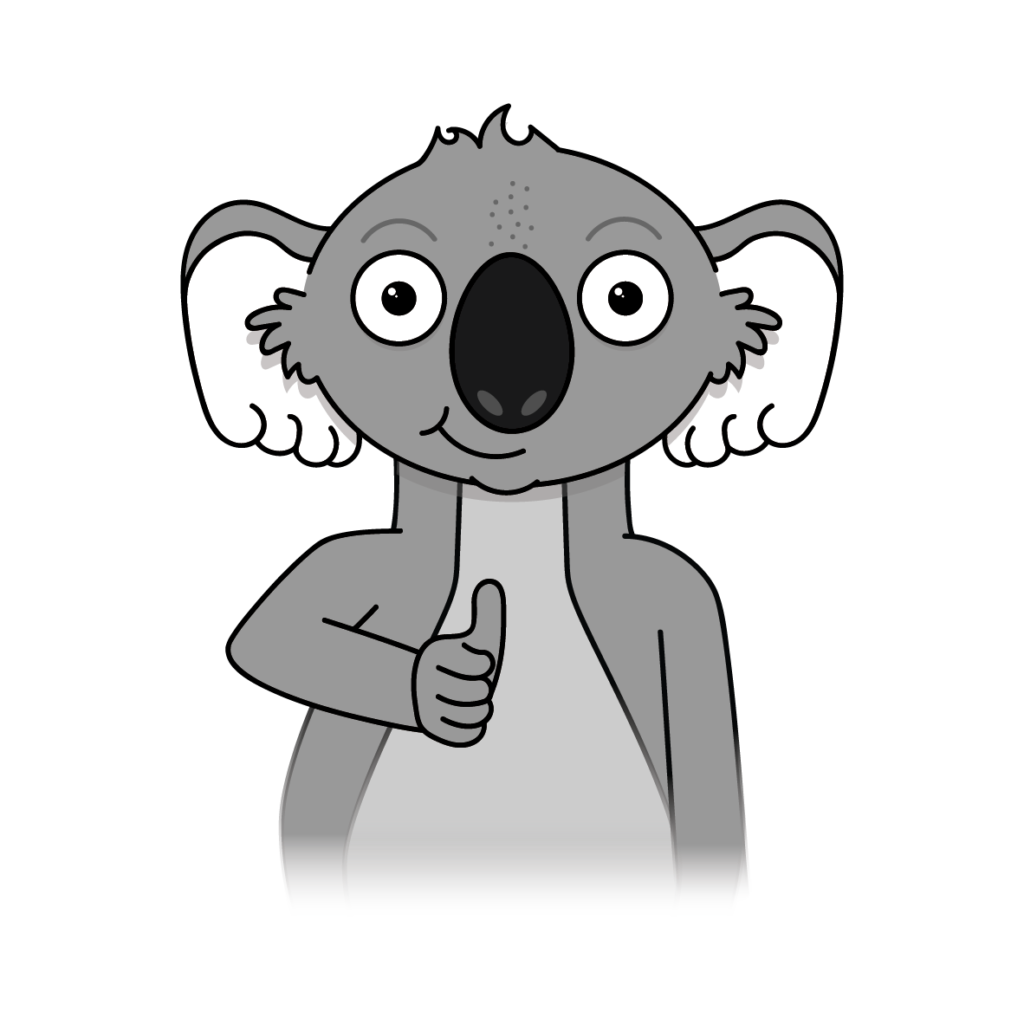
Disability Advocacy Service11:14 · Quiz
Traffic-light quiz — answer with your card
Is this professional?
Green = yes
Yellow = depends
Red = no
Wearing clean clothes for your jobYes
Looking at your phone while someone is talking to youNo
Being on timeYes
Talking over people in a meetingNo
Wearing thongs to workDepends
Talking about home and Country at workDepends
Answer with your card, point, or show us — whatever’s easiest. “Depends” is a real answer: different workplaces and Country have different ways.
Session 7 · Quiz08 / 19
Key Word Signwork
Disability Advocacy Service11:18 · Your vote
Hold up your card — we tap in what the room says
What do you want to work on?
Active listening
Filling out paperwork
Professional clothes
Talking on the phone
Hygiene
Writing an email
Speaking up in meetings
Being on time and reliable
Listening for meetings
Confidence and public speaking
Asking for help
Introducing yourself / meeting people
Staying calm when things go wrong
Tap the colour the room shows — green = yes, yellow = maybe, red = skip. Answer with a card, point, or show us.
Session 7 · Your vote09 / 19
Key Word Signwant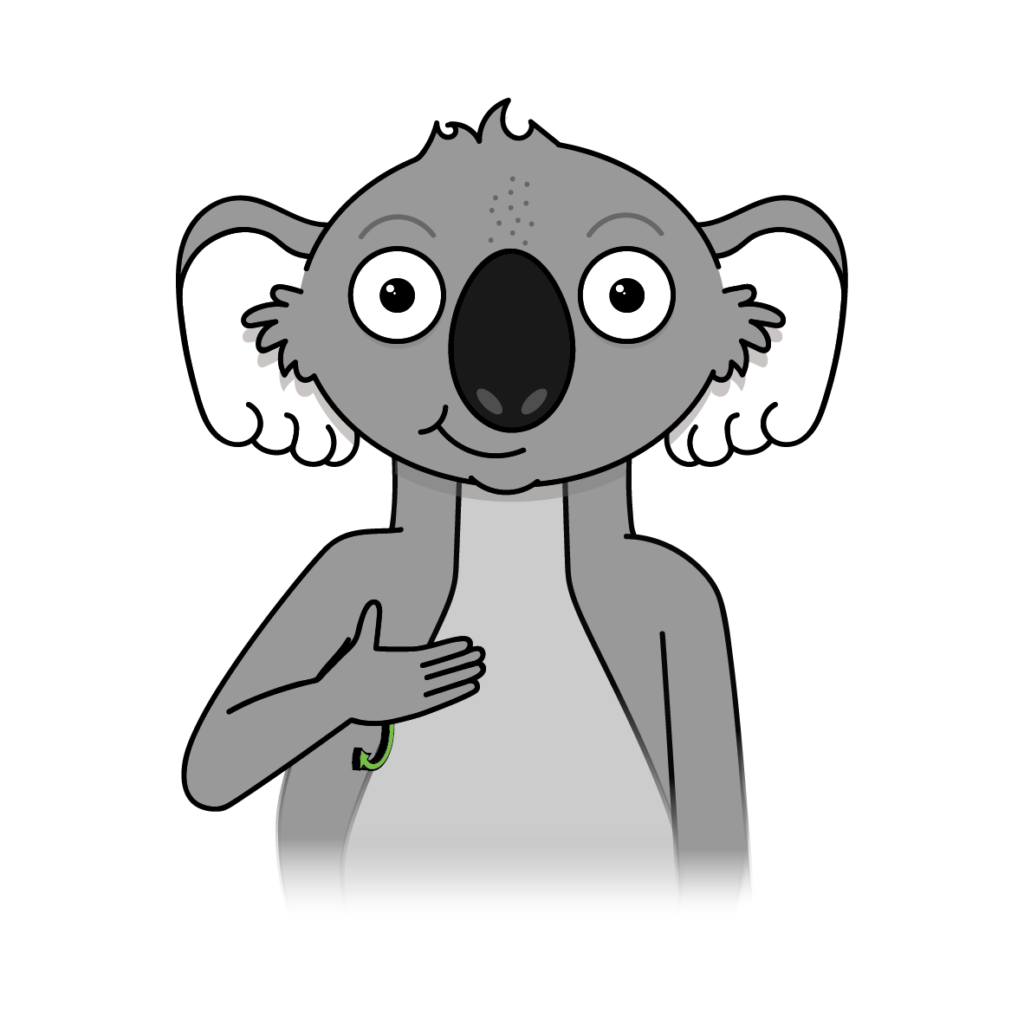
Disability Advocacy Service11:30 · How we'll do it
No big slabs of text
How we'll do it.
In the room
- One A3 visual to look at together
- One worksheet or card sort
- Pair work or whole-group chat
Outside the room
- A handout to take home
- Practise it once before the next session
- Tell us how it went
Mandy: "We won't read big slabs of text. We'll do something with our hands. That's how I learn this stuff."
Session 7 · How we'll do it10 / 19
Key Word Signdraw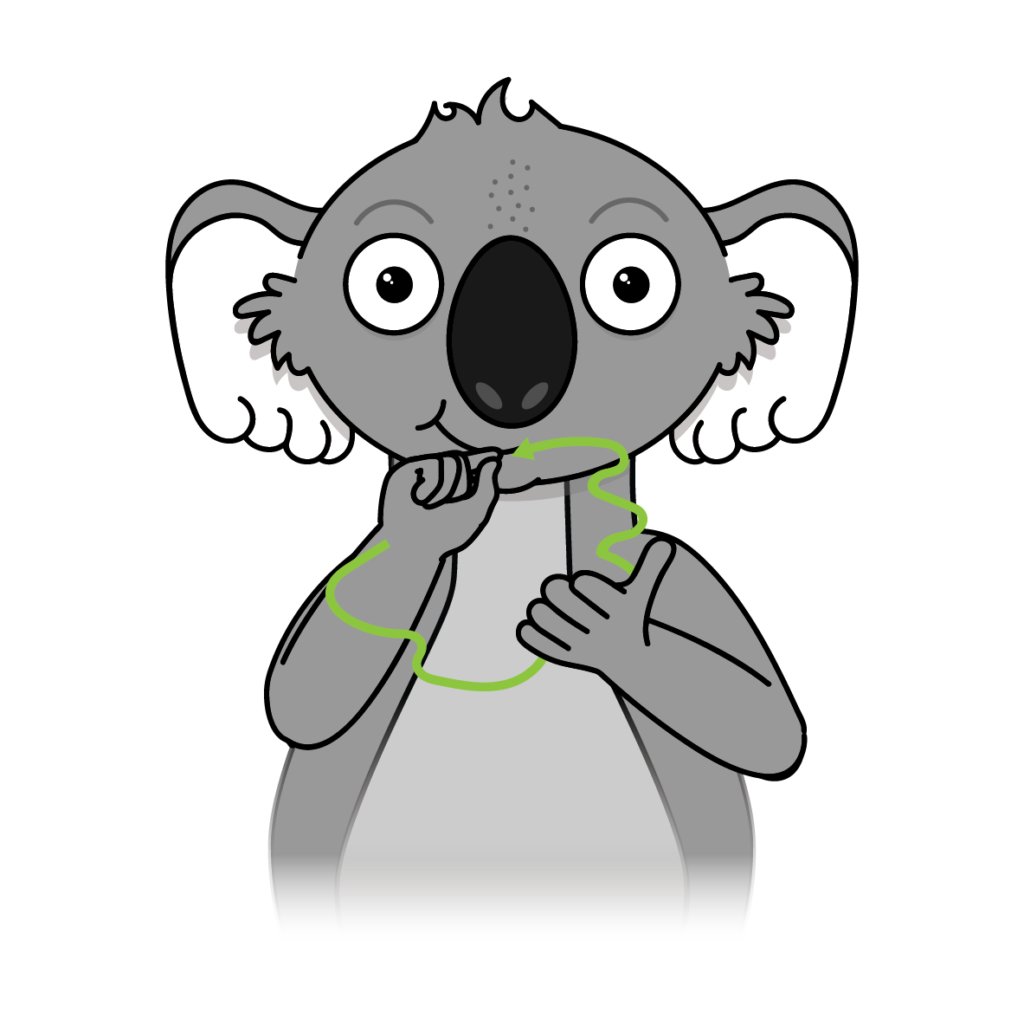
Disability Advocacy Service11:30 · Mandy first
Before we open the cards
Mandy goes first.
Before we open the cards, Mandy shares one professional skill she had to learn - and one she's still learning.
Session 7 · Mandy first11 / 19
Key Word Signlisten
Disability Advocacy Service11:35 · Activity
Activity one · Active listening
What is good active listening?
- Go through each card. Put it on the green, yellow or red zone
- Green = yes, good active listening · Yellow = I'm not sure · Red = no
- If you're not sure, put it on yellow. Yellow is the answer for "I dunno yet"
- Then draw - one face or posture showing supportive listening, one showing unsupportive
- We sort our own drawings onto the three cards - Supportive · Not sure · Unsupportive
Session 7 · Active listening12 / 19
Key Word Signlisten
Disability Advocacy Service12:00 · Lunch
Short break
Lunch.
Tea, food, fresh air.
Back at 12:15.
Back at 12:15.
★
Session 7 · Lunch13 / 19
Key Word Signlunch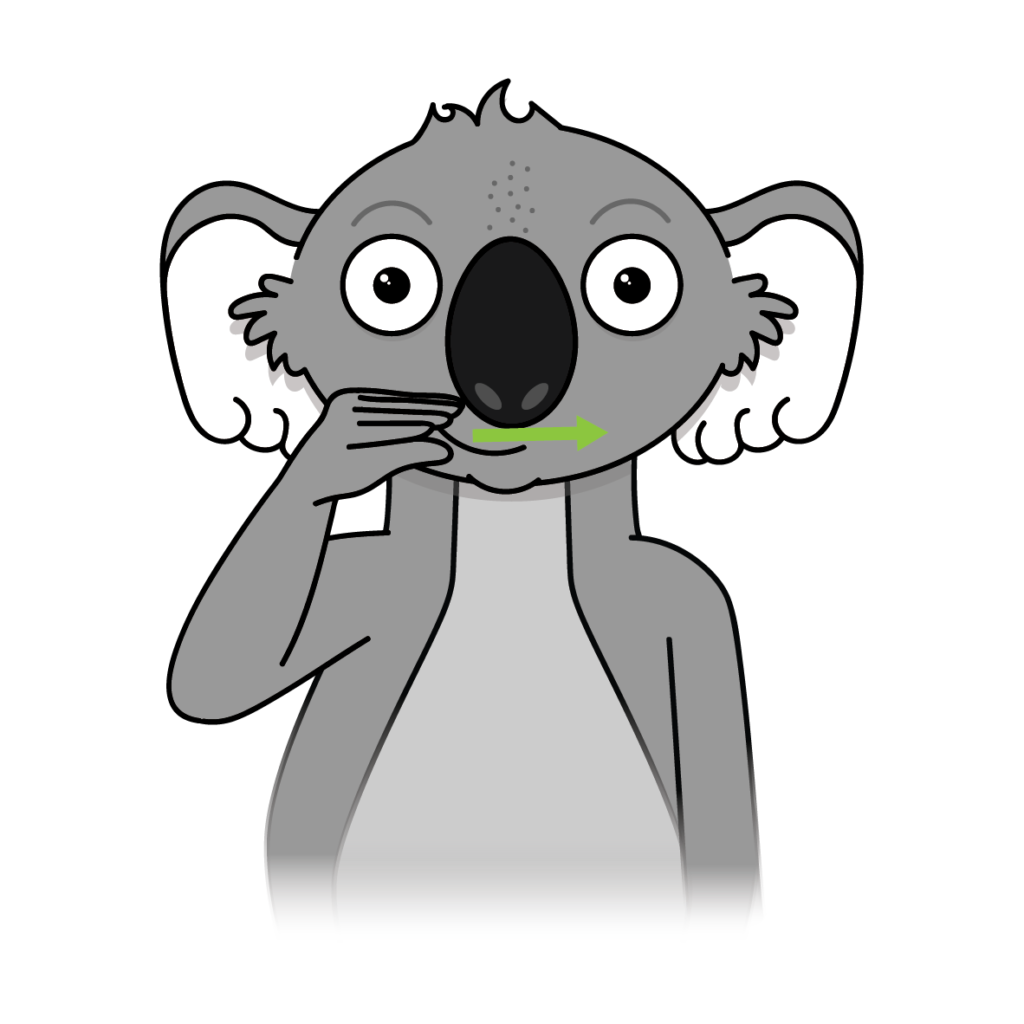
Disability Advocacy Service12:15 · Speaking up
Activity two · Speaking up
Things leaders can say in meetings.
- All the cards face-up on the table
- Pick 2-3 cards that feel most useful to you
- Pair up. The room becomes a fake meeting around the table
- Try a card out loud — or point to it, hold it up, or show us
- Swap pairs. Try a different card
- Which card was hardest? Which was easiest?
Mandy goes first. Your cards are yours to keep - next, the prompts a chair uses.
Session 7 · Speaking up14 / 19
Key Word Signproud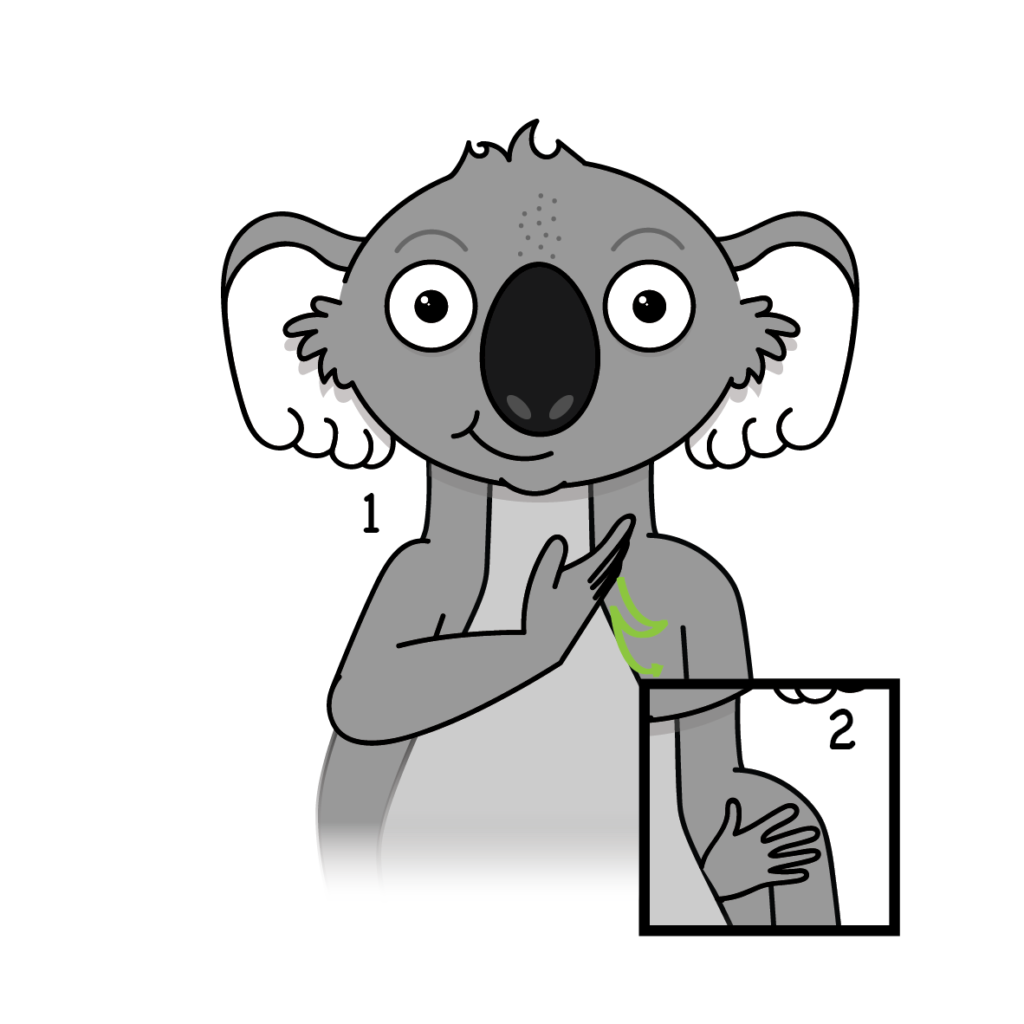
Disability Advocacy Service12:30 · Chair prompts
Activity three · Chairing a meeting
Chair prompts - keeping a meeting on track.
"Excuse me - it feels like people are talking over each other."
"I think [name] was next."
"Can we slow down a bit? I want to follow."
"I think [name] was next."
"Can we slow down a bit? I want to follow."
Six Chair Prompt cards - the things a chair says to keep everyone heard. Borrow them word for word; your own words are welcome too. You'll use them next week, and on your PATH Plan day.
Say it, point to the card, or hold it up — whatever works for you.
Session 7 · Chair prompts15 / 19
Key Word Signstop
Disability Advocacy Service12:48 · Email
Last one · Writing an email
Writing an email - what are the parts?
TO
The email address of the person you're sending it to.
SUBJECT
One line about what the email is about.
GREETING
"Hi" or "Hello", followed by their name.
BODY
The message. Keep it short - two or three paragraphs is plenty.
SIGN-OFF
"Thanks", "Cheers", or your favourite. Then your name.
YOUR DETAILS
Optional. Phone number, role, organisation.
Same parts every time - take it home, send one this week. Write it, get help, or use the Easy Read picture version. Phone script on your sheet too.
Session 7 · Email16 / 19
Key Word Signphone
Disability Advocacy Service12:56 · Wrap-up
Closing the day
Before you go.
- Today we covered - listening, speaking up, chairing a meeting, and the parts of an email
- Take your sheets home - your speaking-up cards, your chair prompt cards, the email template, your menu copy
- Try ONE thing before next week. Tell us how it went
- Feedback form - traffic light, two minutes. We can scribe
Mandy closes - and thanks each person by name on the way out.
Session 7 · Wrap-up17 / 19
Key Word Signthank you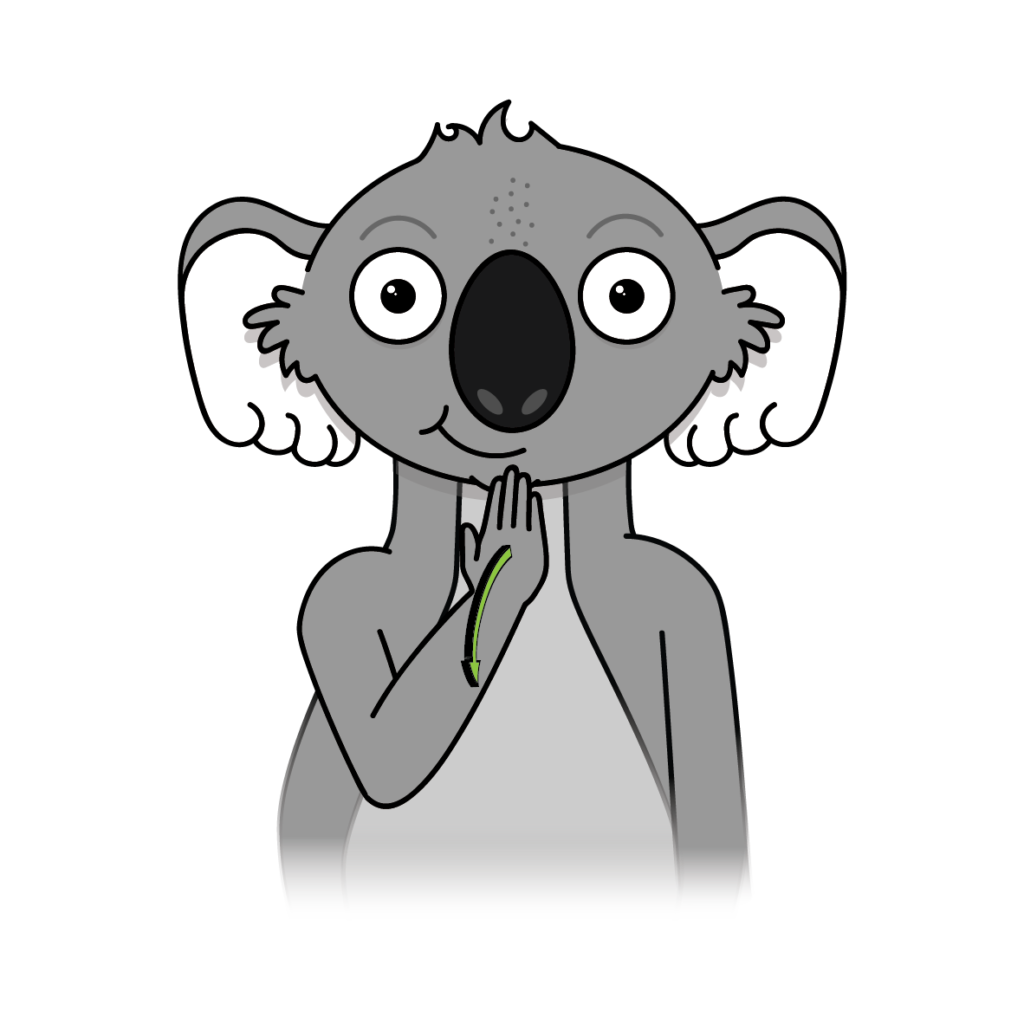
Disability Advocacy Service12:58 · Next session
Next session · Thursday 9 July · 11:00 · Akaltye Room
Next time - Meetings.
- The last group session
- Bring your speaking-up and chair cards - you'll use them in a real practice meeting
Questions before then? Call DAS on (08) 8953 1422, or message your support worker.
Session 7 · Next session18 / 19
Key Word Signexcited
Disability Advocacy ServiceEnd · Session 7
Thank you
Disability
Advocacy
Service.
DAS · Mparntwe / Alice Springs19 / 19