Disability Advocacy ServiceCommunity of Practice · 2026
PATH · Community of Practice
A home
you choose.
DAS · Mparntwe / Alice Springs01 / 39
Disability Advocacy ServiceWelcome
Your facilitators today
Meeting chairs today.
Ben
Inclusion NT - in the chair for the welcome & formalities.
Mandy
Co-facilitator & leader with lived experience.
Lukas
Programs Manager, DAS.
Community of Practice · Chairs02 / 39
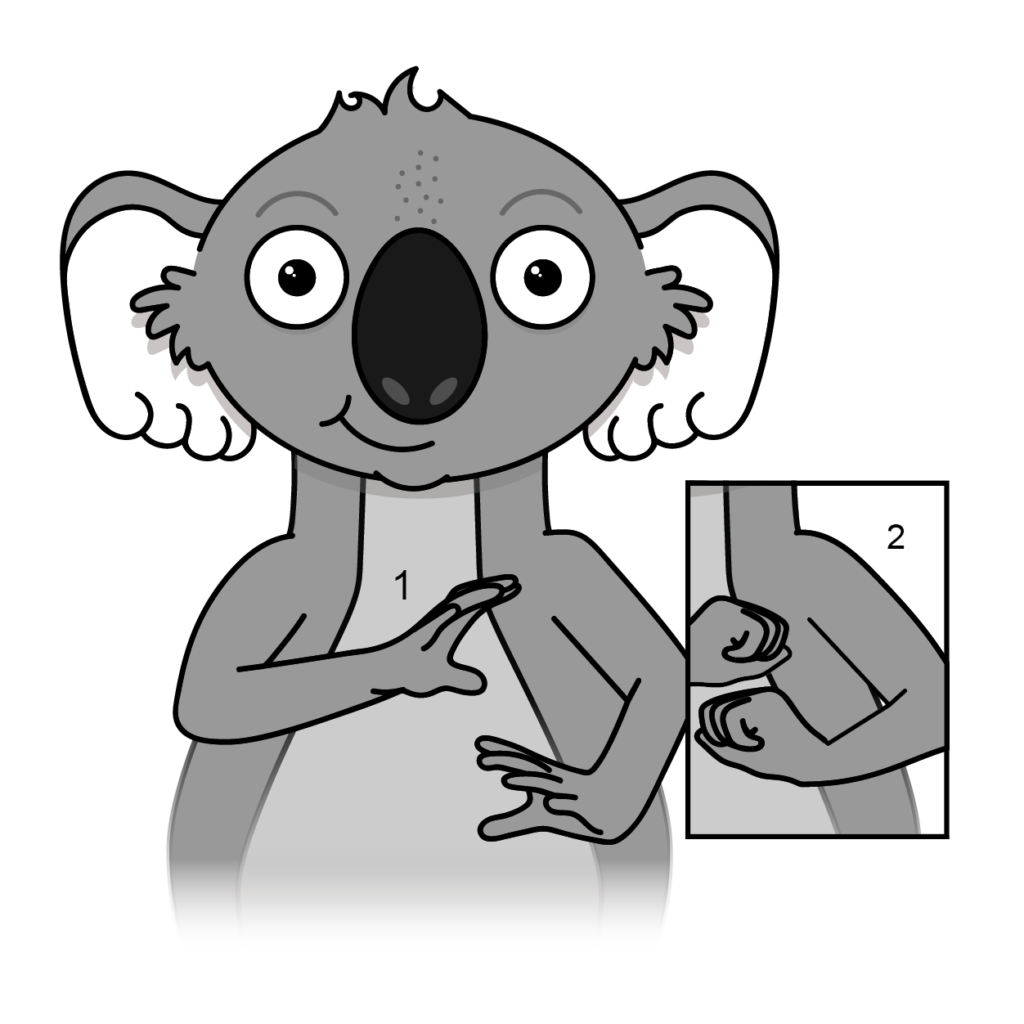
Key Word Signhello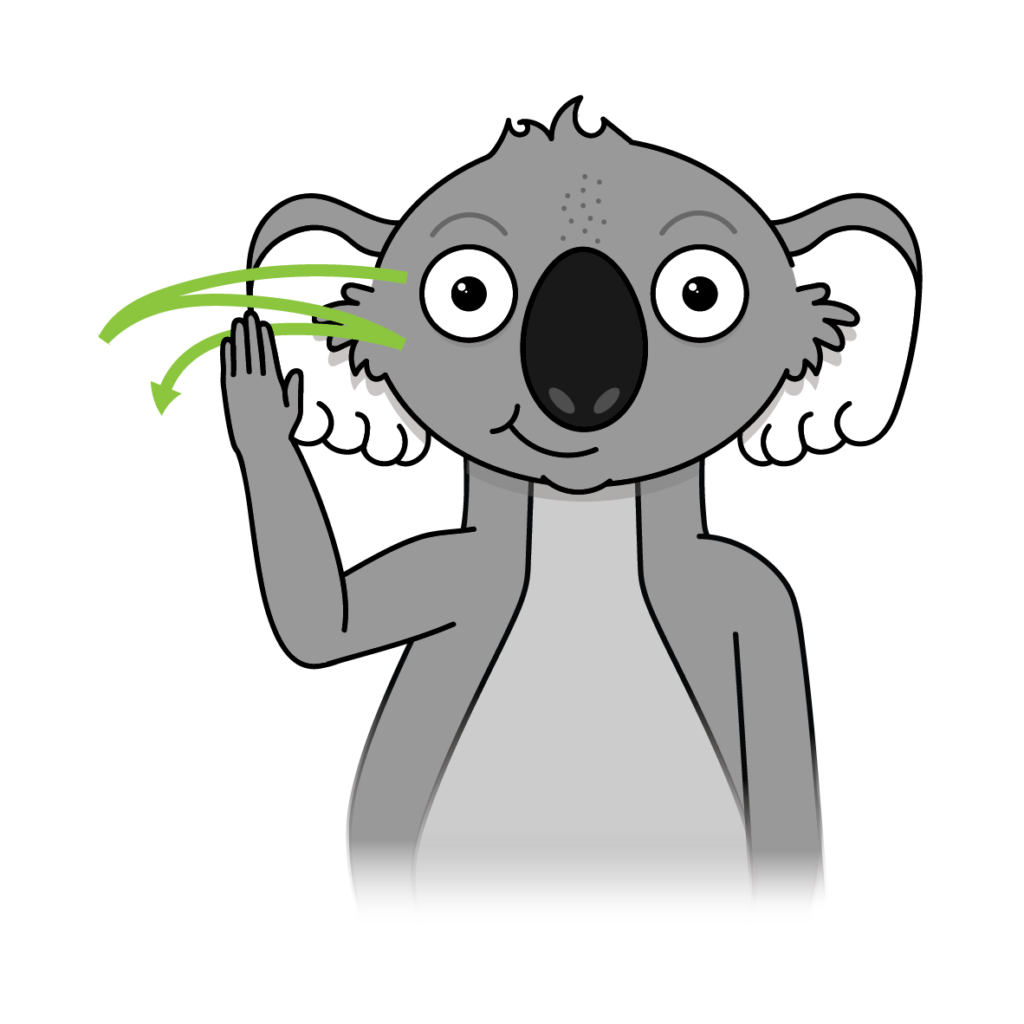
Disability Advocacy ServiceWelcome
First, the most important thing
Acknowledgement of Country.
We acknowledge the Arrernte people as the Traditional Custodians of Mparntwe (Alice Springs).
We pay our respects to Elders past, present, and emerging.
We also acknowledge all the language groups across the Central Australia and Barkly region this program serves.
We pay our respects to all First Nations peoples whose knowledge, leadership, and lived experience guide this work.
We pay our respects to Elders past, present, and emerging.
We also acknowledge all the language groups across the Central Australia and Barkly region this program serves.
We pay our respects to all First Nations peoples whose knowledge, leadership, and lived experience guide this work.
Community of Practice · Acknowledgement03 / 39
Key Word Signwelcome
Disability Advocacy ServiceWelcome
Welcome, everyone
Great to have you here.
Add today's attendees in the control panel (press C) and they'll appear here.
Community of Practice · Welcome04 / 39
Key Word Signfriend
Disability Advocacy ServiceWelcome
Before we start
How to speak up today.
This meeting tries to show what an inclusive meeting feels like.
- ✋ Raise your hand, or just call it out - say it, point, write it down, or show us.
- 💬 Joining online? Use the Raise hand button, or write in the chat.
- We use plain words. If we use a big one, pull us up.
- We go at a good pace. Take a break when you need.
Community of Practice · How we work05 / 39
Key Word Signlisten
Disability Advocacy ServiceOne way to join in
Your cards
The green, yellow and red cards.
GREEN
Yes · I agree
YELLOW
I have a question or a comment
RED
No · I don't agree · or slow down
Hold up a card any time - you don't have to speak if you don't want to. No wrong answers. We're thinking together.
Community of Practice · The cards06 / 39
Key Word Signokay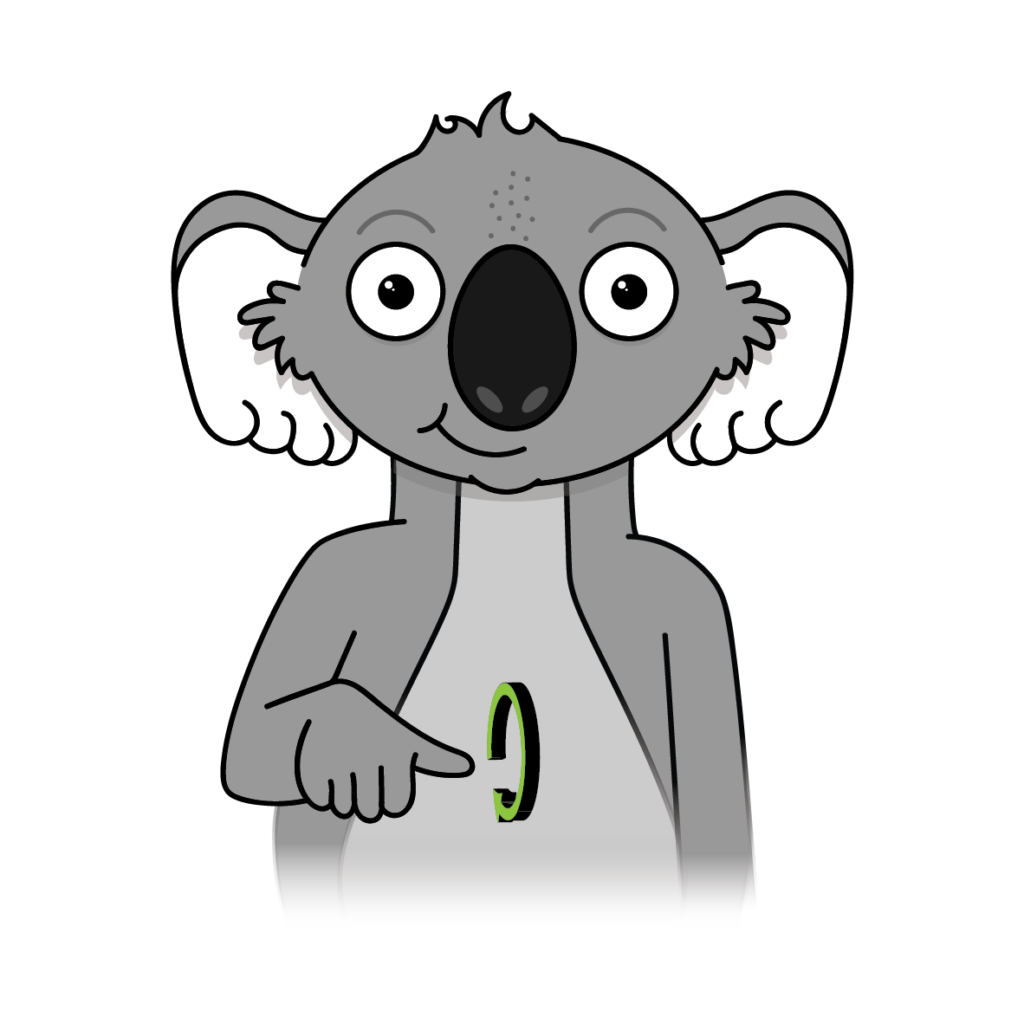
Disability Advocacy ServiceToday
The plan for today
Here's the plan.
1
Welcome
2
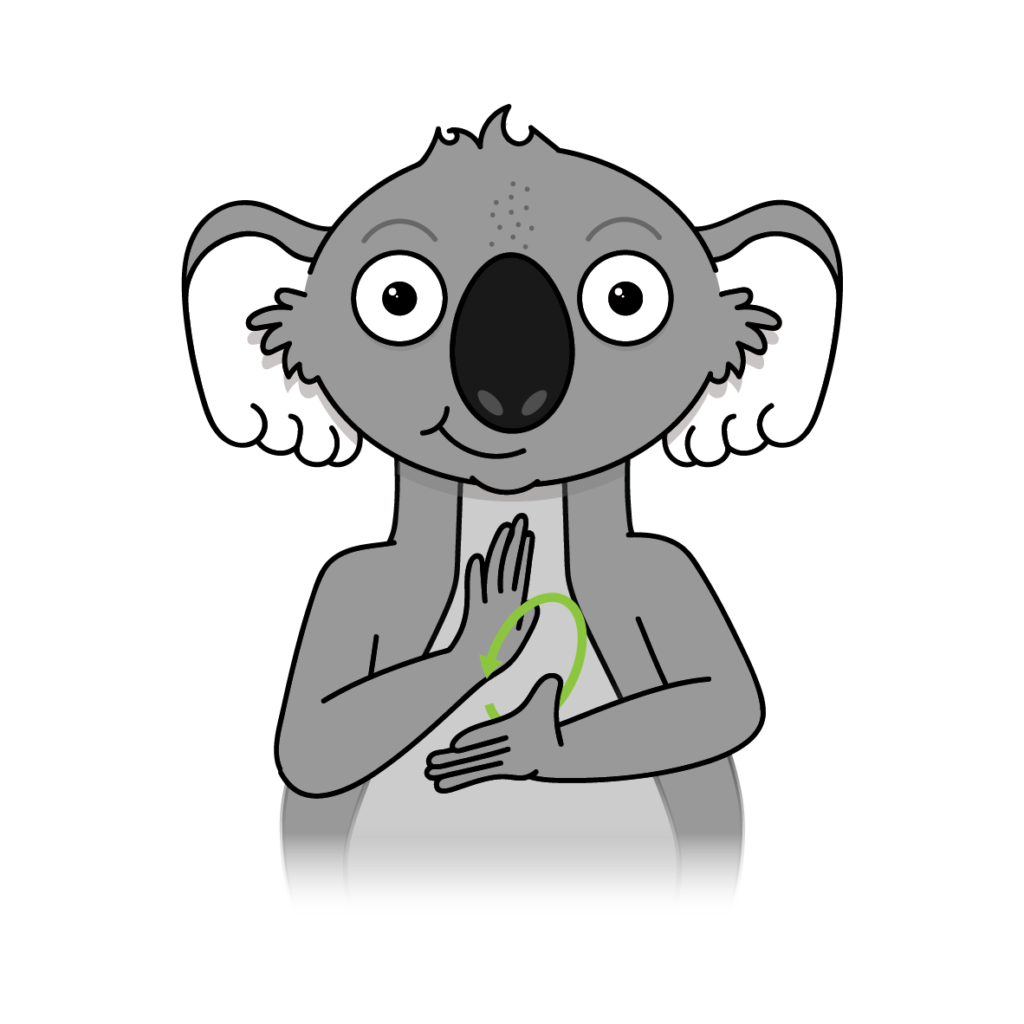
Icebreaker
3

Your first place (cards ready)
4
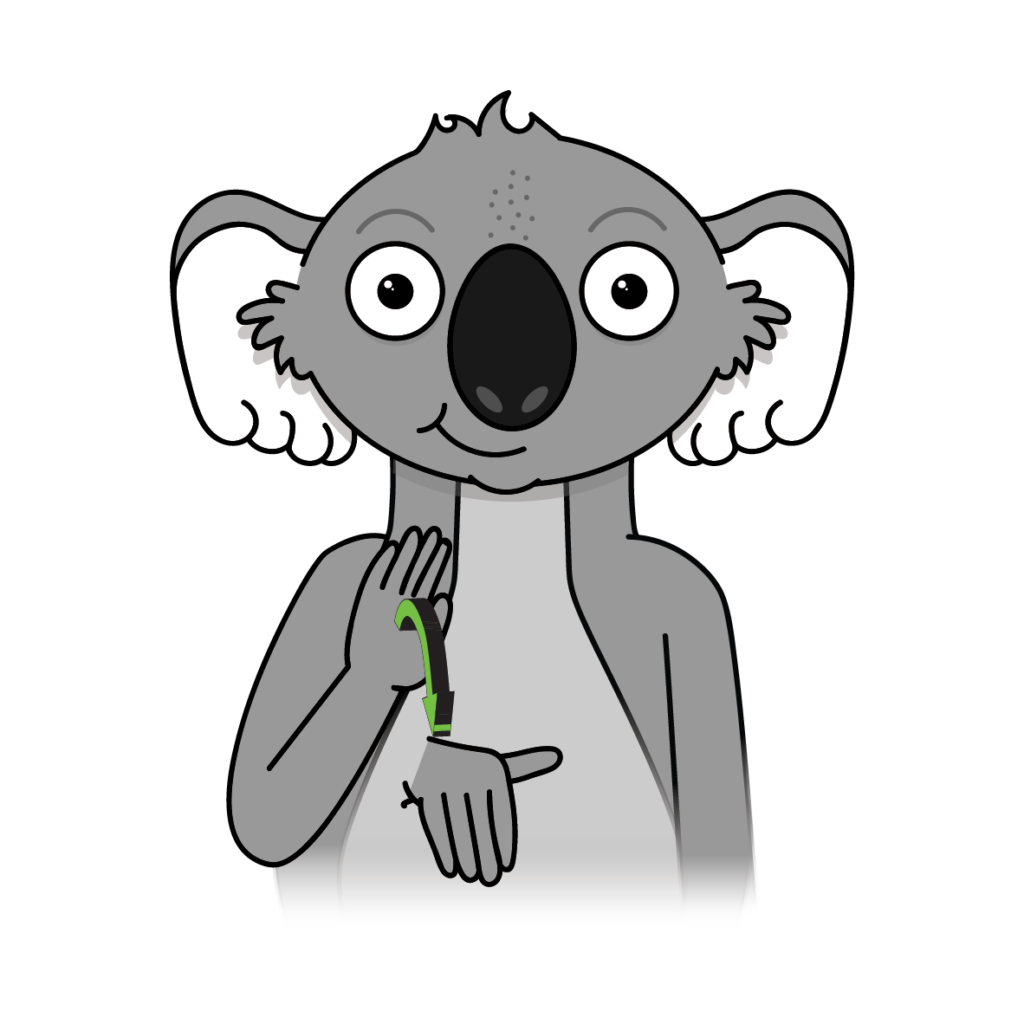
Home - the good, the hard & how to handle it
5
What we'll each try
6

Appreciation & wrap up
Community of Practice · The plan07 / 39
Disability Advocacy ServiceNew here?
First time with us? The two-minute version
What this is, and why.
The project
PATH to Community Leadership - Inclusion NT and DAS deliver it together in Alice Springs. It builds real leadership opportunities for people with intellectual disability: plans, mentoring, practice, real roles.
This meeting
The Community of Practice runs alongside it - a regular online space for organisations and supporters from Alice Springs, Katherine, Darwin and Tennant Creek to share what's working (and what isn't). Each meeting takes one theme.
The goal
More people with intellectual disability leading - in their groups, their workplaces, their communities. Last time: good jobs. Today: home.
Community of Practice · What this is08 / 39
Key Word Signcommunity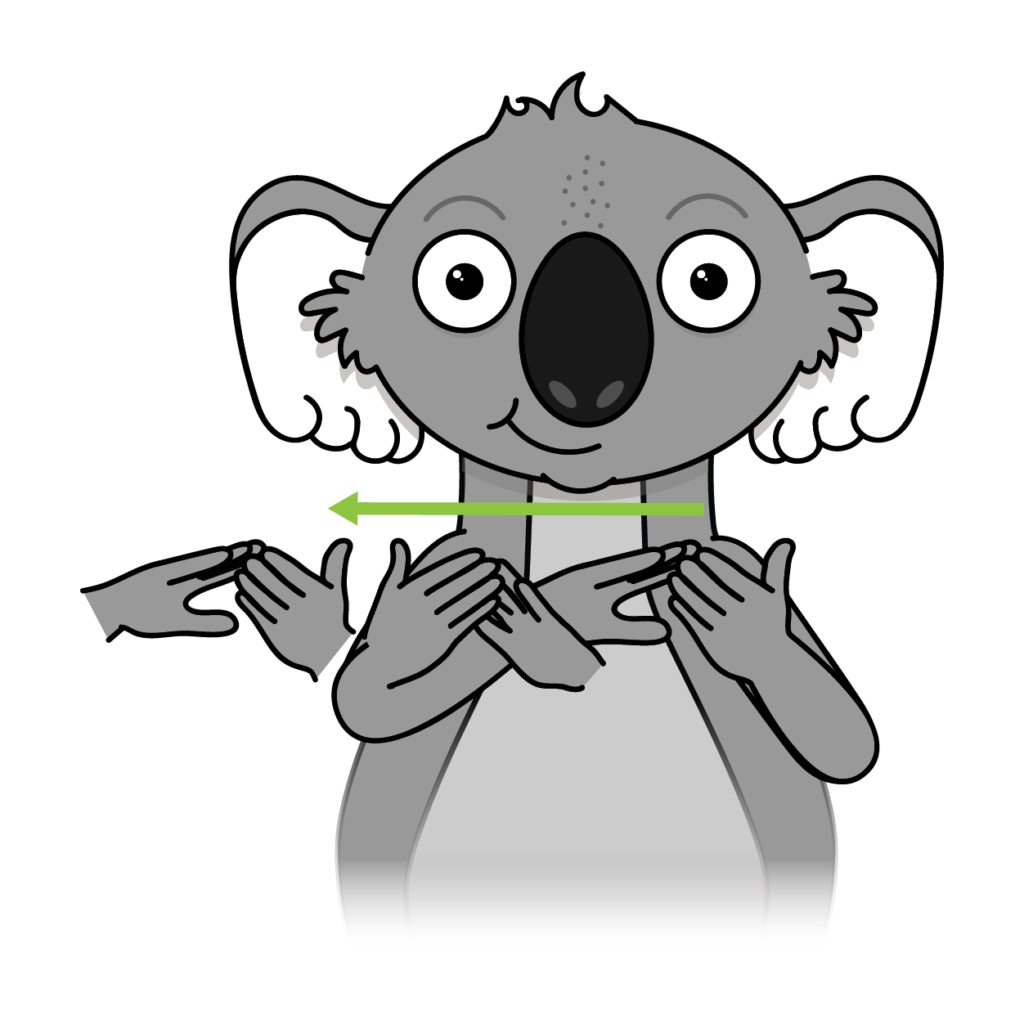
Disability Advocacy ServiceIcebreaker
Icebreaker · let's warm up
Dream home.
When you were a kid - what did you think your grown-up home would be like? A castle? A farm? A flat in the big smoke? ⭐ How close did you get?
Community of Practice · Icebreaker09 / 39
Key Word Signhome
Disability Advocacy ServiceMemory lane
Cast your mind back
Your first place.
Not the dream home - the real one. The first place that was yours: the share house, the little unit, the room at the back of someone's place.
The smell of it. The fridge with one thing in it. The people you lived with.
Hold that picture. You don't have to say a word - just get your cards ready.
The smell of it. The fridge with one thing in it. The people you lived with.
Hold that picture. You don't have to say a word - just get your cards ready.
Community of Practice · Memory lane10 / 39
Key Word Signthink
Disability Advocacy ServiceCards up
Green card = "that was me" · be honest
How did we all go?
- A housemate I would not have chosen twice.
- Dinner was toast. Again.
- Furniture from the side of the road.
- The bond? Never saw it again.
- Rang mum or dad to be rescued - at least once.
Community of Practice · Cards up11 / 39
Key Word Signhappy
Disability Advocacy ServiceThe point
Look at all that green
We were all
shocking at it.
Nobody's first place goes smoothly. It's how every one of us learned to run a home - by making a mess of one, safely.
Community of Practice · The point12 / 39
Key Word Signgood
Disability Advocacy ServiceThe reframe
What the story tells us
Nobody took
the keys off us.
All that mess - and we got to learn from it, because nobody treated our mistakes as proof we couldn't live there.
For people with intellectual disability, one rough patch can end the whole experiment. Same mistakes - different consequences. That's the part we can change.
For people with intellectual disability, one rough patch can end the whole experiment. Same mistakes - different consequences. That's the part we can change.
Community of Practice · The reframe13 / 39
Disability Advocacy ServiceThe one big idea
If you take one thing away
It's their home -
not a workplace.
Support comes and goes on a roster. The person lives there all the time. The house should run on their clock, their rules, their taste - with support fitting around them, not the other way round.
Community of Practice · Big idea14 / 39
Key Word Signhome
Disability Advocacy ServiceWhat we mean today
Just so we're all talking about the same thing
Today is about
an ordinary home.
A place you chose, with people you chose - renting, sharing, with family, or on your own.
Group homes, SIL and SDA exist, and for some people they're the right fit. Today isn't about the building or the funding type - it's about choice and control, wherever someone lives. The same questions apply in every one of them.
Community of Practice · An ordinary home15 / 39
Key Word Signlife
Disability Advocacy ServiceCards out!
First vote · grab your cards
"Living independently means doing everything by yourself."
Green = agree · Yellow = not sure · Red = disagree · then turn the page
Community of Practice · First vote16 / 39
Key Word Signthink
Disability Advocacy ServiceBusting the myth
Holding red? Spot on - it's a myth
Independence is
deciding - not doing.
- Nobody does everything alone. We get haircuts, tax agents, mechanics, and takeaway.
- Getting support to cook, clean or budget doesn't make a home less yours.
- The real question is: who decides? What's for dinner, who visits, when the lights go out.
- Support should grow someone's say over their life - not quietly replace it.
Community of Practice · The independence myth17 / 39
Key Word Signcan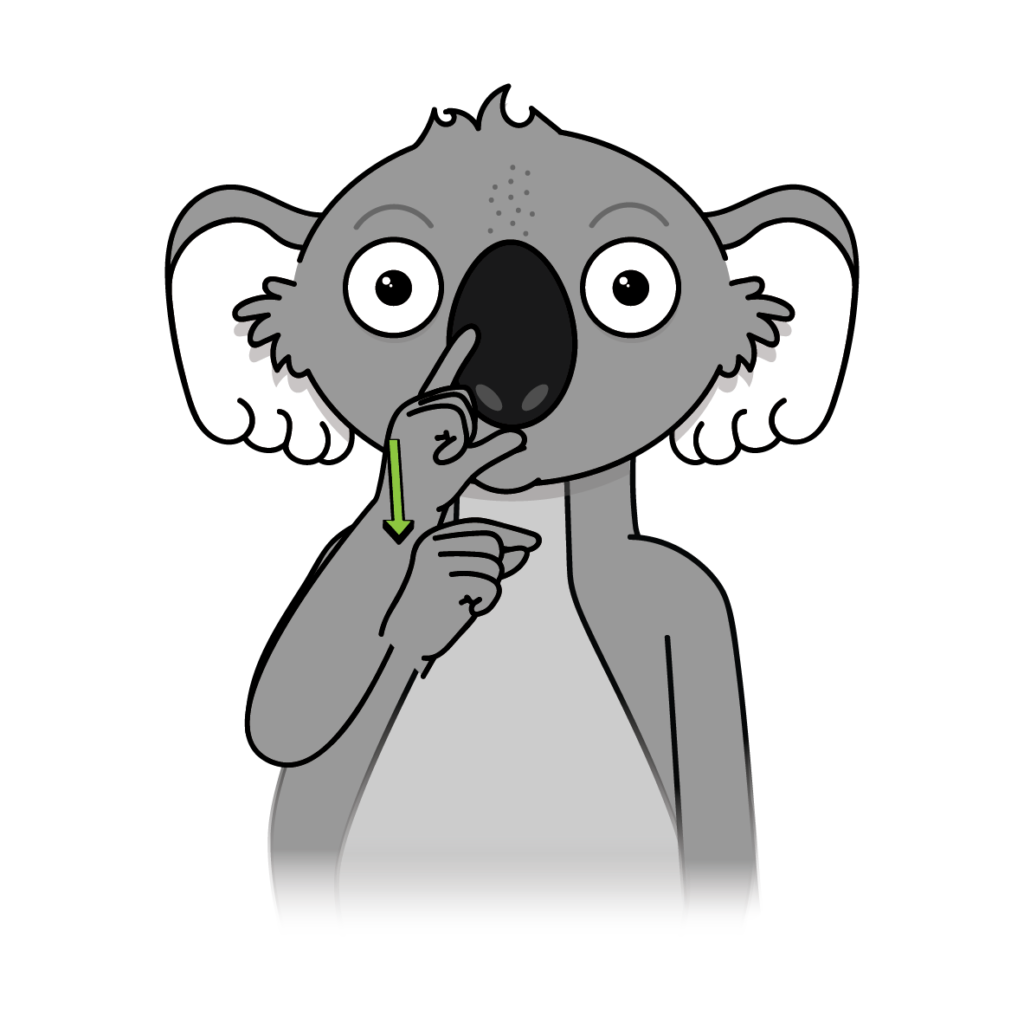
Disability Advocacy ServiceWhy this matters
We're not making this up
Choosing your home
is still rare.
- The Disability Royal Commission heard from many people with intellectual disability who never chose where they live - or who they live with.
- Placements often follow vacancies, not preferences: you live where the bed is.
- Some Commissioners went as far as saying group homes should be phased out altogether.
- Everyone agreed on the direction: more choice, more control, more ordinary homes.
Community of Practice · What we heard · Disability Royal Commission18 / 39
Key Word Signlisten
Disability Advocacy ServiceThe bigger picture
Zoom out
Home is
the launchpad.
- A stable home is where jobs, health, friendships and community roles start from.
- Hard to lead in your community when you've got no settled place in it.
- Last time we talked about good jobs. A good home is what makes them possible.
Community of Practice · The launchpad19 / 39
Key Word Signcommunity
Disability Advocacy ServiceThe rules, plainly
How to get it right
Three things, in plain words.
The person decides
Where to live, who with, and what home looks like - start with their will and preference, not what's easiest to arrange.
A tenant is a tenant
Renters with disability have the same tenancy rights as anyone else. A support setting doesn't switch those rights off.
Home ≠ supports
Housing and support are separate things. Changing a support provider should never mean losing your home.
Community of Practice · The rules20 / 39
Key Word Signhelp
Disability Advocacy ServiceHot off the press
Since 1 July this year - six weeks ago
The rules just changed.
- New NDIS Practice Standards for supported independent living started 1 July 2026 - and SIL providers now have to register (applications due by 1 October).
- Supported decision-making is now a standard: decisions about a person's home, routines and relationships are made by them - not for them.
- Support agreements and tenancy agreements must be separate. Losing (or changing) a support provider must not cost anyone their home.
- So the "home ≠ supports" idea isn't a nice theory anymore - it's a compliance requirement. Providers will be audited on it.
Community of Practice · New standards · NDIS Commission, 202621 / 39
Key Word Signlearn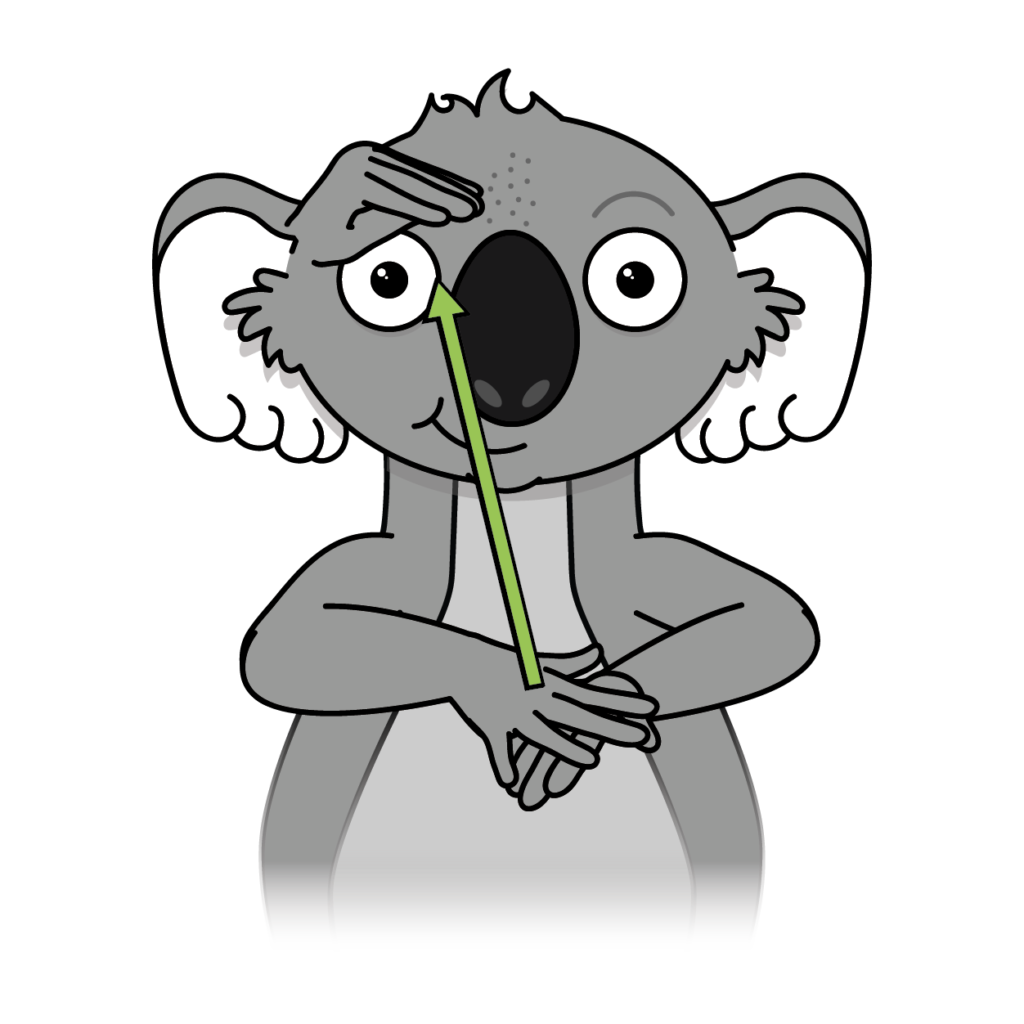
Disability Advocacy ServiceLet's get practical
Real situations
What do we do
when…?
Four real situations. Hold up a card or call out what you'd do - then we'll turn the page and talk about it.
?
Community of Practice · Scenarios22 / 39
Key Word Signgroup
Disability Advocacy ServiceSituation
Situation 1 of 4
Someone you support says: "I hate where I live."
What would you do? · then turn the page
Community of Practice · Situation 123 / 39
Key Word Signsad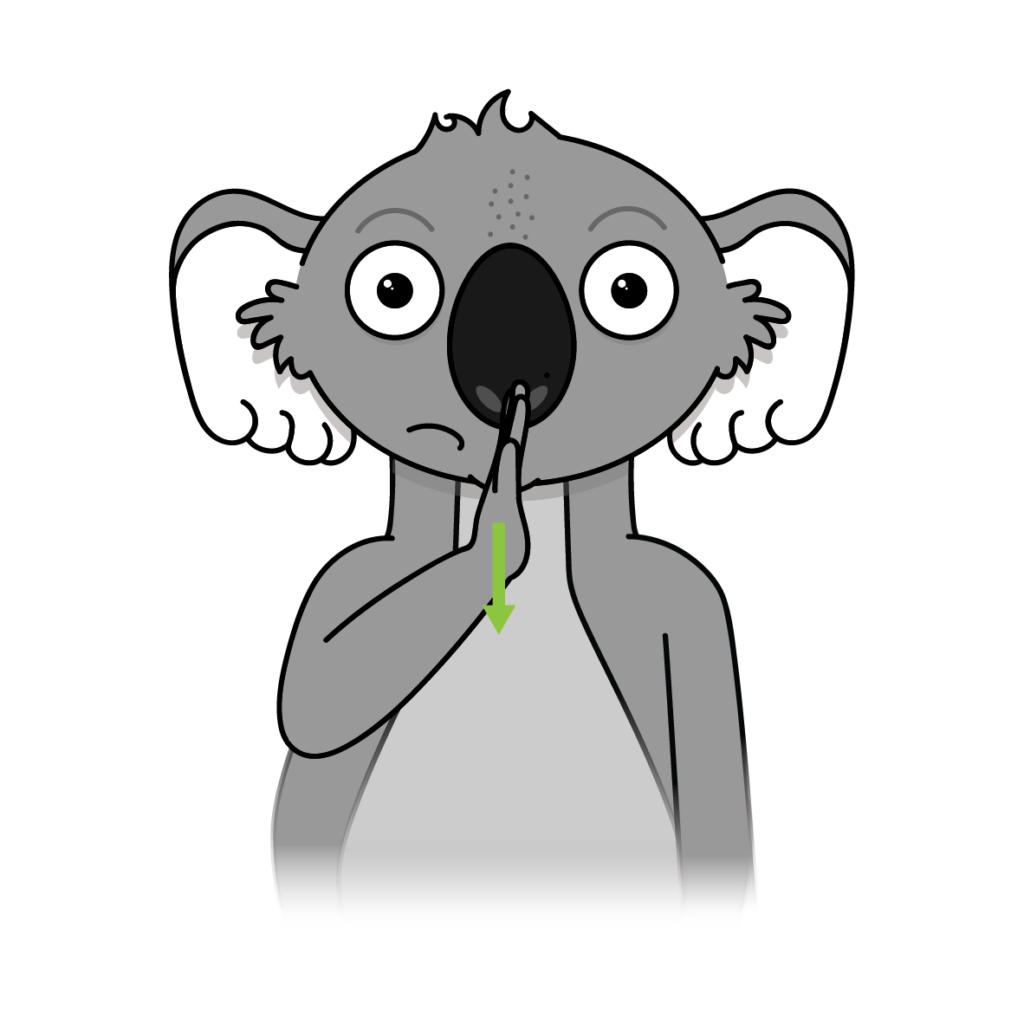
Disability Advocacy ServiceSituation · What to do
Situation 1 - "I hate where I live."
Good move
Take it seriously - don't smooth it over. "It's not that bad" ends the conversation; "tell me more" starts it. Find out what specifically isn't working: the place, the people, the rules? Then help them raise it with the right person - and if they hit a wall, that's exactly what advocacy is for. DAS can help. Moving might take a long time here - but being believed starts today.
Community of Practice · Situation 124 / 39
Key Word Signlisten
Disability Advocacy ServiceSituation
Situation 2 of 4
Everyone in the house is in bed by 8:30 - because that's when the shift changes.
What would you do? · then turn the page
Community of Practice · Situation 225 / 39
Key Word Signtired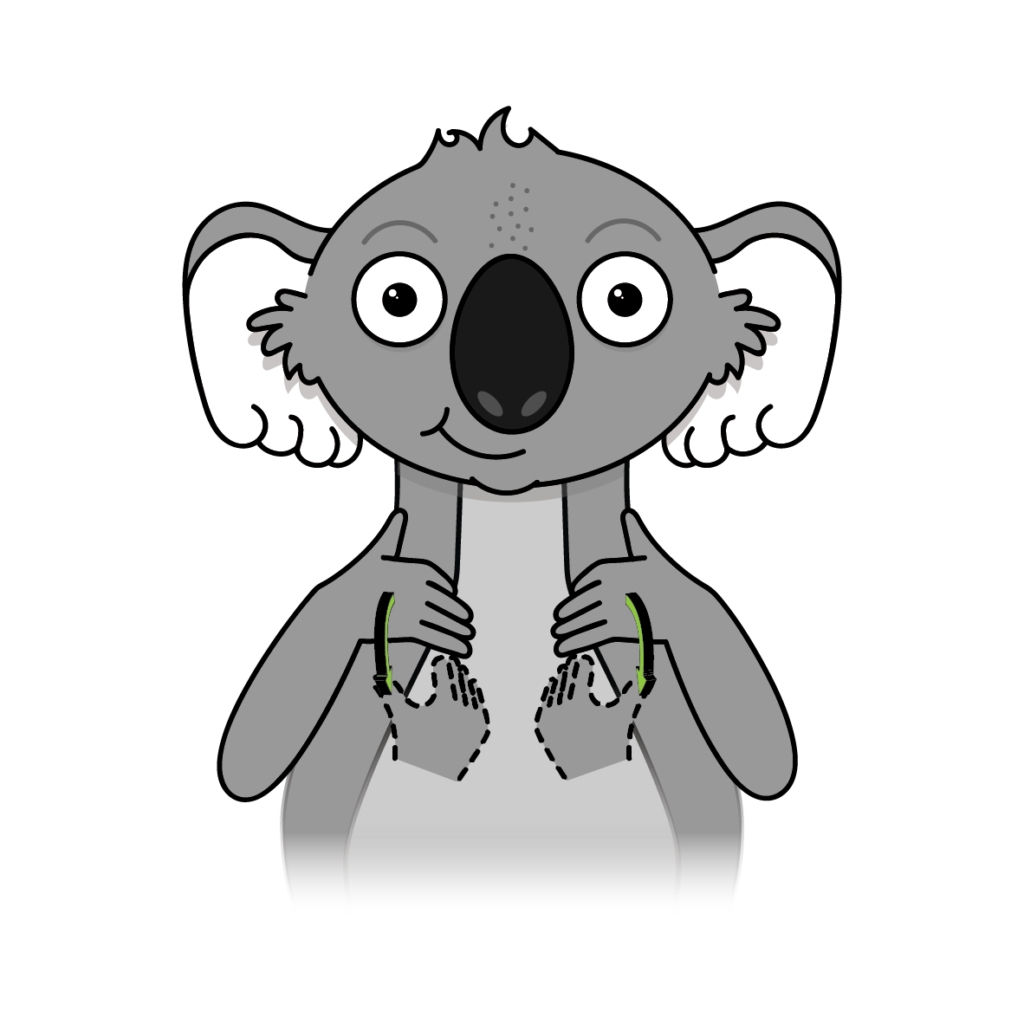
Disability Advocacy ServiceSituation · What to do
Situation 2 - "In bed by 8:30, because that's when the shift changes."
Good move
Ask whose routine it is. Adults stay up late, eat dinner at odd hours, and watch bad TV - that's home. When the roster is quietly writing the house rules, it's stopped being the person's home and started being a workplace. Start small and concrete: who picks dinner time? Who holds the remote? Change one routine, and see what else loosens up.
Community of Practice · Situation 226 / 39
Key Word Signokay
Disability Advocacy ServiceSituation
Situation 3 of 4
Someone wants to move out of the family home. Their mum says it's too risky.
What would you do? · then turn the page
Community of Practice · Situation 327 / 39
Key Word Signfamily
Disability Advocacy ServiceSituation · What to do
Situation 3 - "They want to move out. Mum says it's too risky."
Good move
Hold both truths. Mum's worry is love - and the decision still belongs to the person. Don't pick a side; build a plan that answers the worry: start with nights away, cooking runs, travel practice. Remember the reframe - everyone's allowed a messy first place. The goal isn't a risk-free move. It's a move with a safety net instead of a locked gate.
Community of Practice · Situation 328 / 39
Key Word Signsafe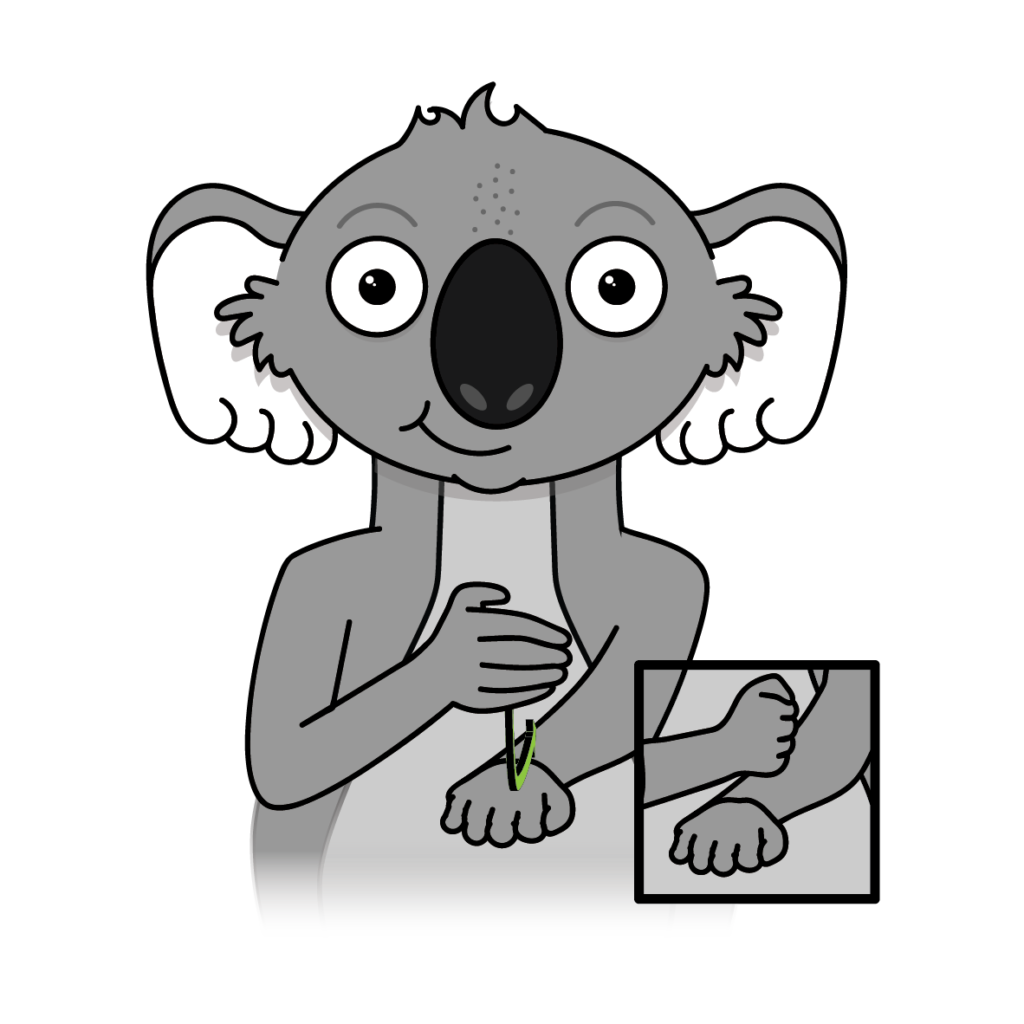
Disability Advocacy ServiceSituation
Situation 4 of 4
You visit someone's house. There's a roster on the fridge, a sign-in folder on the bench - and nothing on the walls.
What would you do? · then turn the page
Community of Practice · Situation 429 / 39
Key Word Signwork
Disability Advocacy ServiceSituation · What to do
Situation 4 - "Roster on the fridge, sign-in folder on the bench, nothing on the walls."
Good move
Try the simplest test there is: would you feel at home? The paperwork can live in a drawer. The walls can hold photos the person chose. None of that costs money - it's habits, not budgets. Ask the person what would make it feel like theirs, and start with one small thing this week. Home is built out of small things.
Community of Practice · Situation 430 / 39
Key Word Signhome
Disability Advocacy ServiceA quick check for any home
The front-door test
Whose home is it, really?
Six quick questions - any home, any setting:
- Do they have their own key - and do visitors (including staff) knock?
- Did they choose who they live with?
- Do they decide who visits, and when?
- Do they pick what's for dinner - and when it's eaten?
- Is their stuff on the walls?
- Could they change support providers without moving out?
Community of Practice · The front-door test31 / 39
Key Word Signhome
Disability Advocacy ServiceThe right door
Something's up with someone's housing - who do you talk to?
Start with the person. Then, with their OK:
SIL or group home
→
Their support coordinator - home and supports are both in the plan. Day-to-day house stuff: the SIL provider.
SDA (the building itself)
→
The SDA provider - that's the landlord. The tenancy agreement now stands on its own, separate from supports.
ILO arrangement
→
The person themselves - they designed it. Their ILO provider helps adjust it.
Renting privately
→
The person - it's their tenancy. If something's wrong: Tenants' Advice Service, 1800 812 953 - free, NT-wide.
Public housing
→
Territory Housing, with the person - repairs, transfers, modifications.
With family, wanting change
→
Their support coordinator or NDIA planner - a "home and living" supports request starts the ball rolling.
"What about the guardian?" Only if NTCAT has made an order that actually covers accommodation - most people don't have one. And even then, the person stays in the conversation. Stuck at any door? That's what DAS advocacy is for.
Community of Practice · The right door32 / 39
Disability Advocacy ServiceKeeping it real
Let's not pretend
Housing here is hard.
For everyone.
Long waitlists. Few rentals. Big pressures on remote and town-camp housing. In Central Australia, "just move somewhere better" is rarely on the table.
That's exactly why choice matters more here, not less: when the options are few, the person's say over the options that do exist - and over life inside their current home - is the part we can always work on.
That's exactly why choice matters more here, not less: when the options are few, the person's say over the options that do exist - and over life inside their current home - is the part we can always work on.
Community of Practice · The local reality33 / 39
Key Word Signnear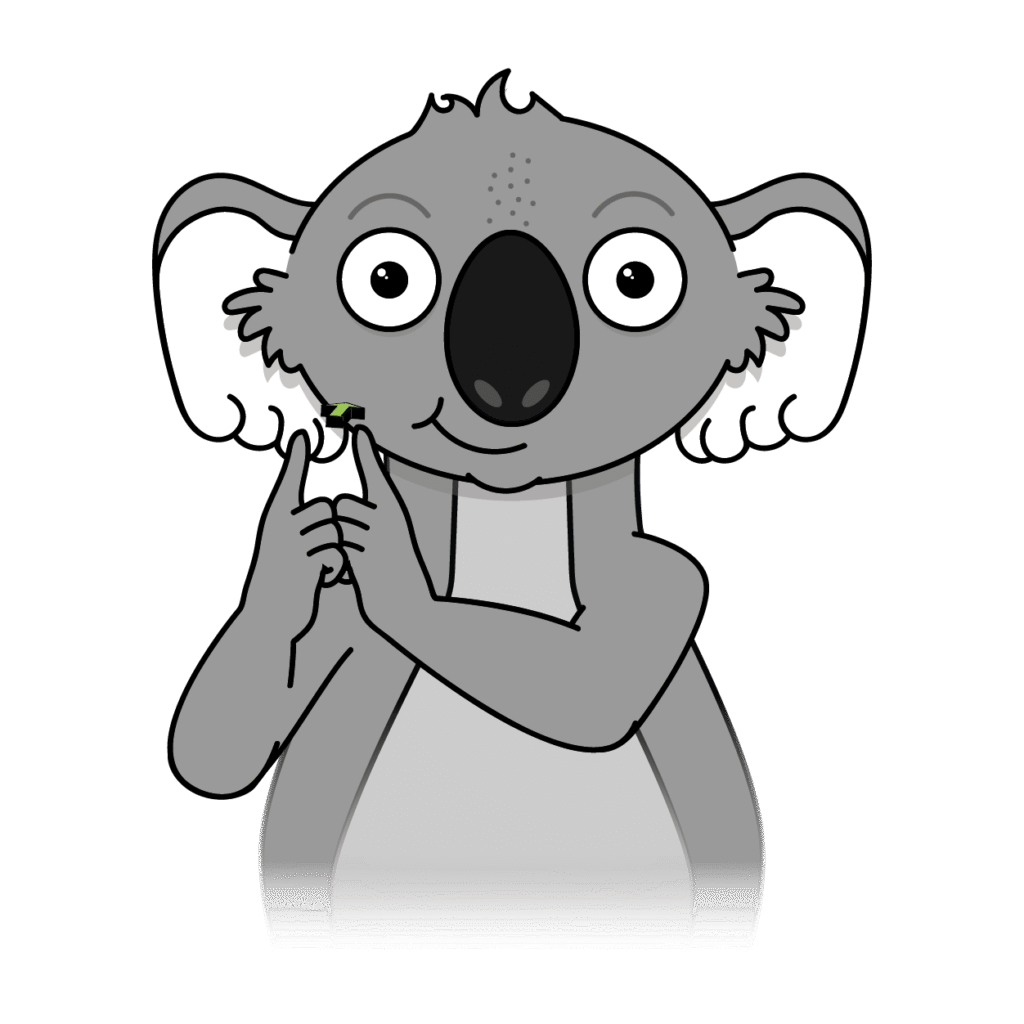
Disability Advocacy ServiceYour part
Whatever your organisation does
Four things any org can do.
Believe them first
When someone raises their housing, treat it as real information - not a behaviour, not a mood.
Connect, don't park
Know who to hand the thread to - advocacy (that's us), tenancy advice, support coordination - and follow up that it happened.
Think "near home"
Run activities people can actually reach from where they live - and welcome them as members and neighbours, not clients.
Run the front-door test
If you deliver in-home support: try the six questions on the homes you work in. Gently. This month.
Community of Practice · Your part34 / 39
Key Word Signjoin
Disability Advocacy ServiceOne last thing
The closer
Everyone in this room knows
the difference between
a house and a home.
Your key. Your people. Your mess. Nobody had to teach you that - it's the most ordinary want there is.
People with intellectual disability aren't asking for something special. They're asking for that.
⌂
Community of Practice · The closer35 / 39
Key Word Signsafe
Disability Advocacy ServiceBefore you leave
Your turn
One thing.
Name one thing your organisation will try - before we meet again.
Write it down. We'll check in next time.
→
Community of Practice · Your turn36 / 39
Key Word Signhero
Disability Advocacy ServiceAppreciation
Appreciation round
Who do you appreciate?
What - or who - do you appreciate in today's meeting? Let's go round the room.
Community of Practice · Appreciation37 / 39
Key Word Signlove
Disability Advocacy ServiceThank you
Thank you
Home is where
leadership starts.
We get to be part of how it goes. Back the person's choices - even the messy ones.
Need a hand? DAS - (08) 8953 1422, we can point you the right way · Tenants’ Advice Service - 1800 812 953 (free, NT-wide) · the person's support coordinator.
Next meeting: date to come.
Need a hand? DAS - (08) 8953 1422, we can point you the right way · Tenants’ Advice Service - 1800 812 953 (free, NT-wide) · the person's support coordinator.
Next meeting: date to come.
Community of Practice · Thank you38 / 39
Key Word Signthank you
Disability Advocacy ServiceEnd · Community of Practice
Thank you
Disability
Advocacy
Service.
DAS · Mparntwe / Alice Springs39 / 39