Disability Advocacy ServiceCommunity of Practice · 2026
PATH · Community of Practice
Good jobs,
good support.
DAS · Mparntwe / Alice Springs01 / 39
Disability Advocacy ServiceWelcome
Your facilitators today
Meeting chairs today.
Mandy
Co-facilitator & leader with lived experience.
Lukas
Programs Manager, DAS.
Metia
Programs Support, DAS — PATH & Peer Support.
Community of Practice · Chairs02 / 39
Key Word Signhello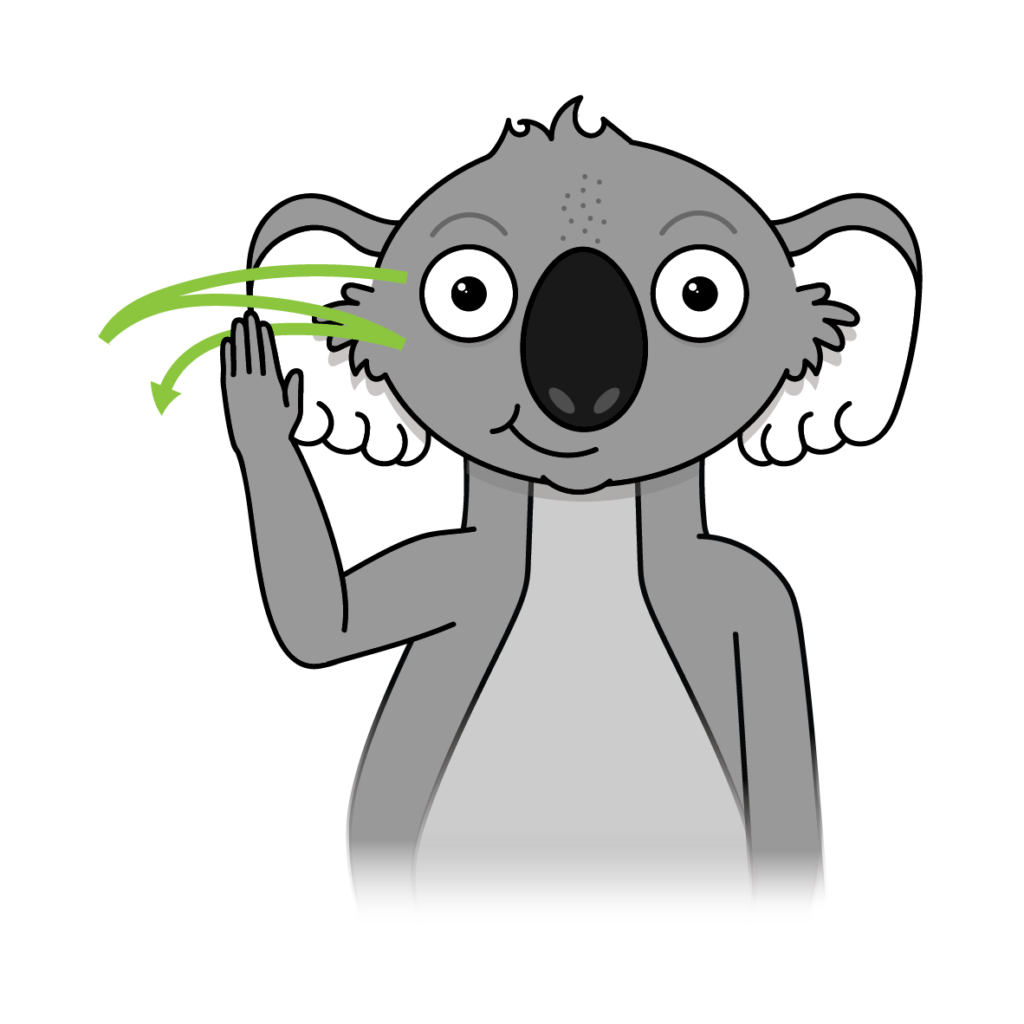
Disability Advocacy ServiceWelcome
First, the most important thing
Acknowledgement of Country.
We acknowledge the Arrernte people as the Traditional Custodians of Mparntwe (Alice Springs).
We pay our respects to Elders past, present, and emerging.
We also acknowledge all the language groups across the Central Australia and Barkly region this program serves.
We pay our respects to all First Nations peoples whose knowledge, leadership, and lived experience guide this work.
We pay our respects to Elders past, present, and emerging.
We also acknowledge all the language groups across the Central Australia and Barkly region this program serves.
We pay our respects to all First Nations peoples whose knowledge, leadership, and lived experience guide this work.
Community of Practice · Acknowledgement03 / 39
Key Word Signwelcome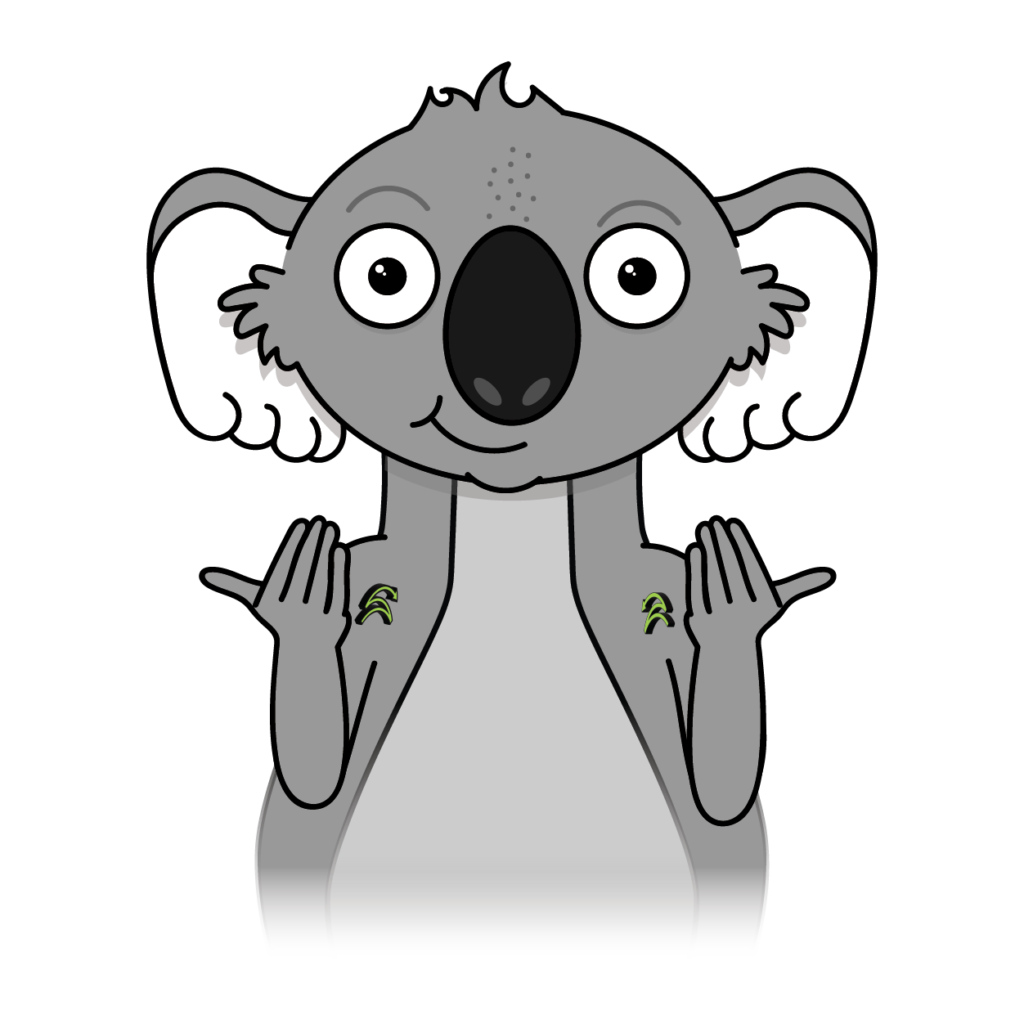
Disability Advocacy ServiceWelcome
Welcome, everyone
Great to have you here.
Add today's attendees in the control panel (press C) and they'll appear here.
Community of Practice · Welcome04 / 39
Key Word Signfriend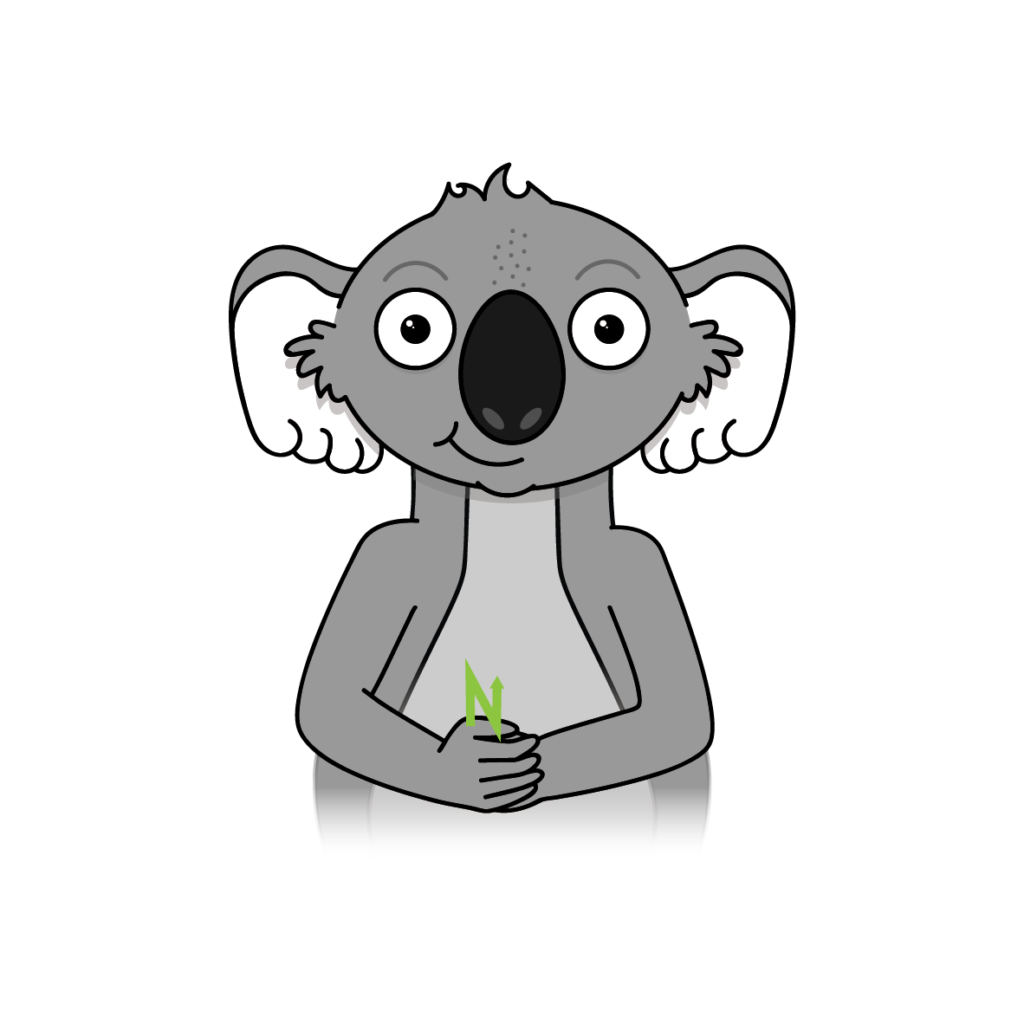
Disability Advocacy ServiceWelcome
Before we start
How to speak up today.
This meeting tries to show what an inclusive meeting feels like.
- ✋ Raise your hand, or just call it out — say it, point, write it down, or show us.
- 💬 Joining online? Use the Raise hand button, or write in the chat.
- We use plain words. If we use a big one, pull us up.
- We go at a good pace. Take a break when you need.
Community of Practice · How we work05 / 39
Key Word Signlisten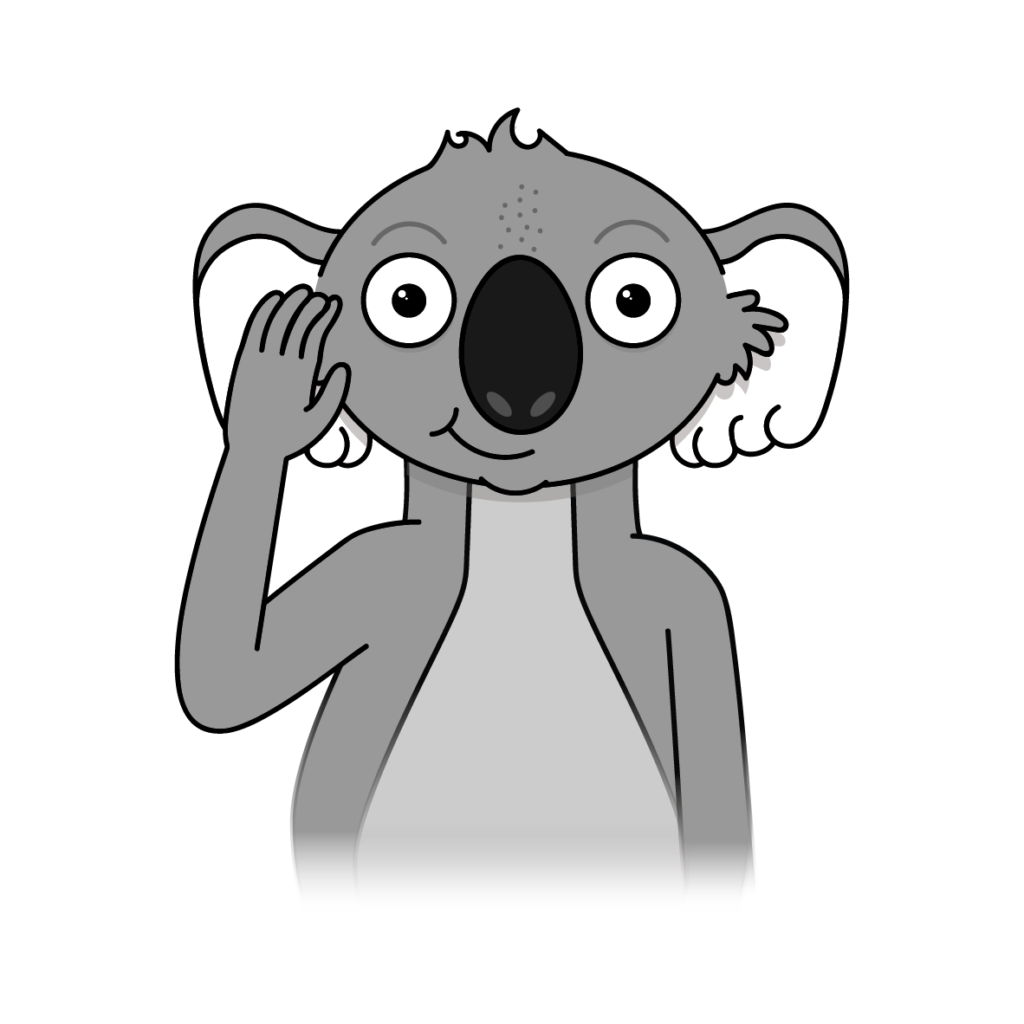
Disability Advocacy ServiceOne way to join in
Your cards
The green, yellow and red cards.
GREEN
Yes · I agree
YELLOW
I have a question or a comment
RED
No · I don't agree · or slow down
Hold up a card any time — you don't have to speak if you don't want to. No wrong answers. We're thinking together.
Community of Practice · The cards06 / 39
Key Word Signokay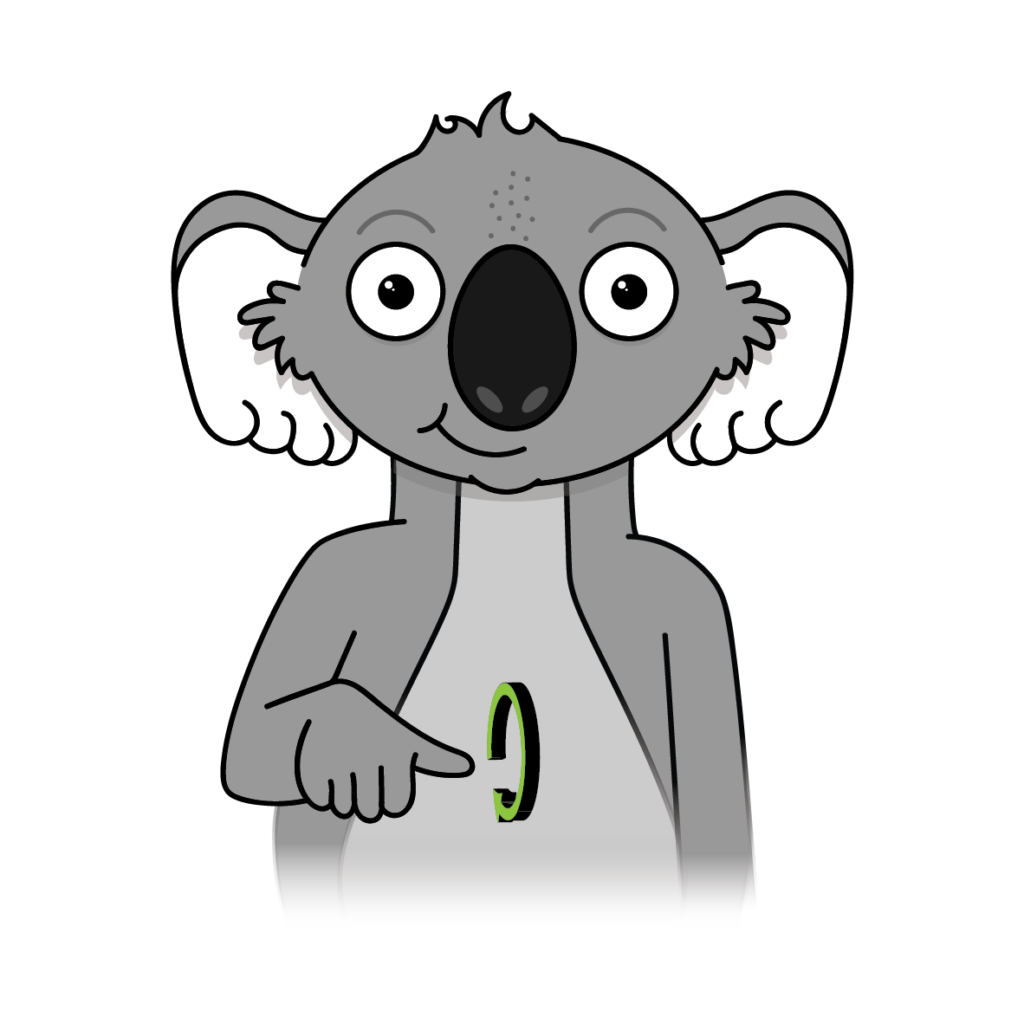
Disability Advocacy ServiceToday
The plan for today
Here's the plan.
1
Welcome
2
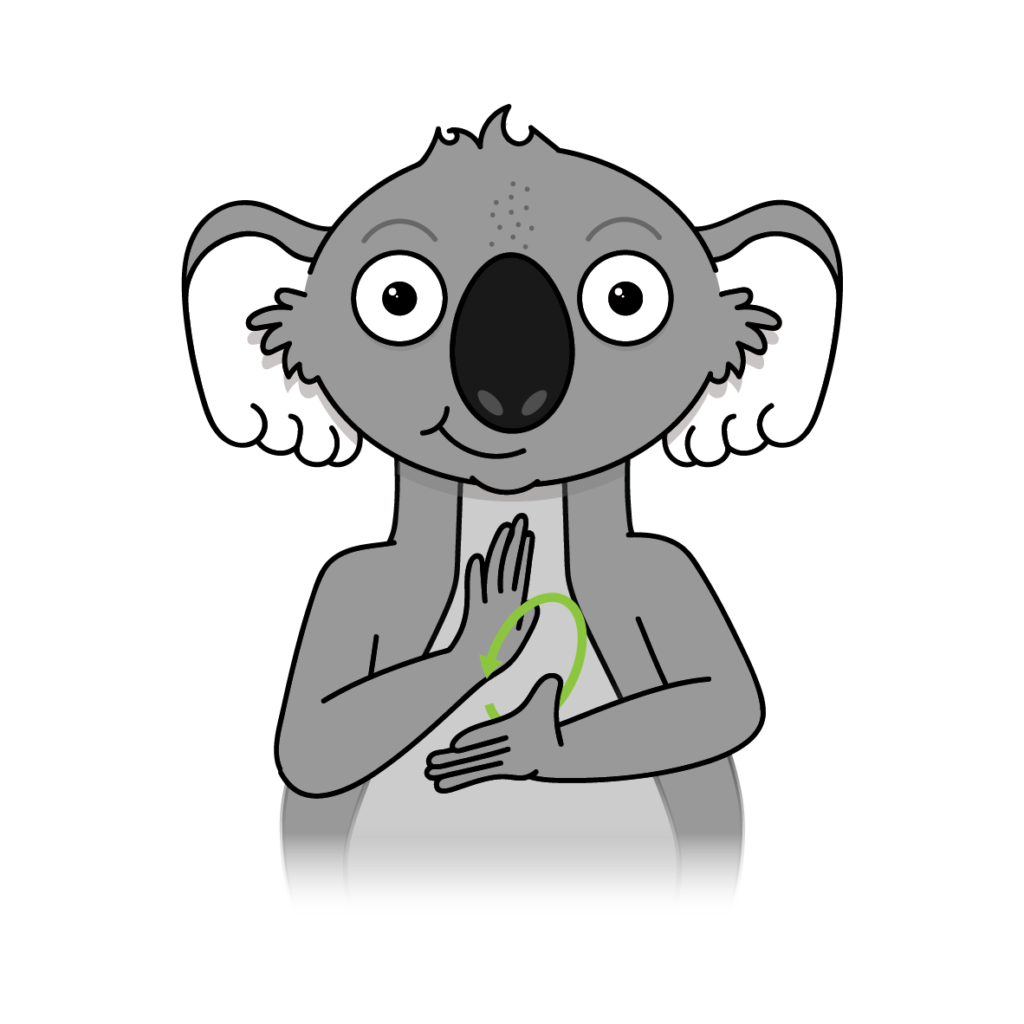
Icebreaker
3
A story (and a little surprise)
4
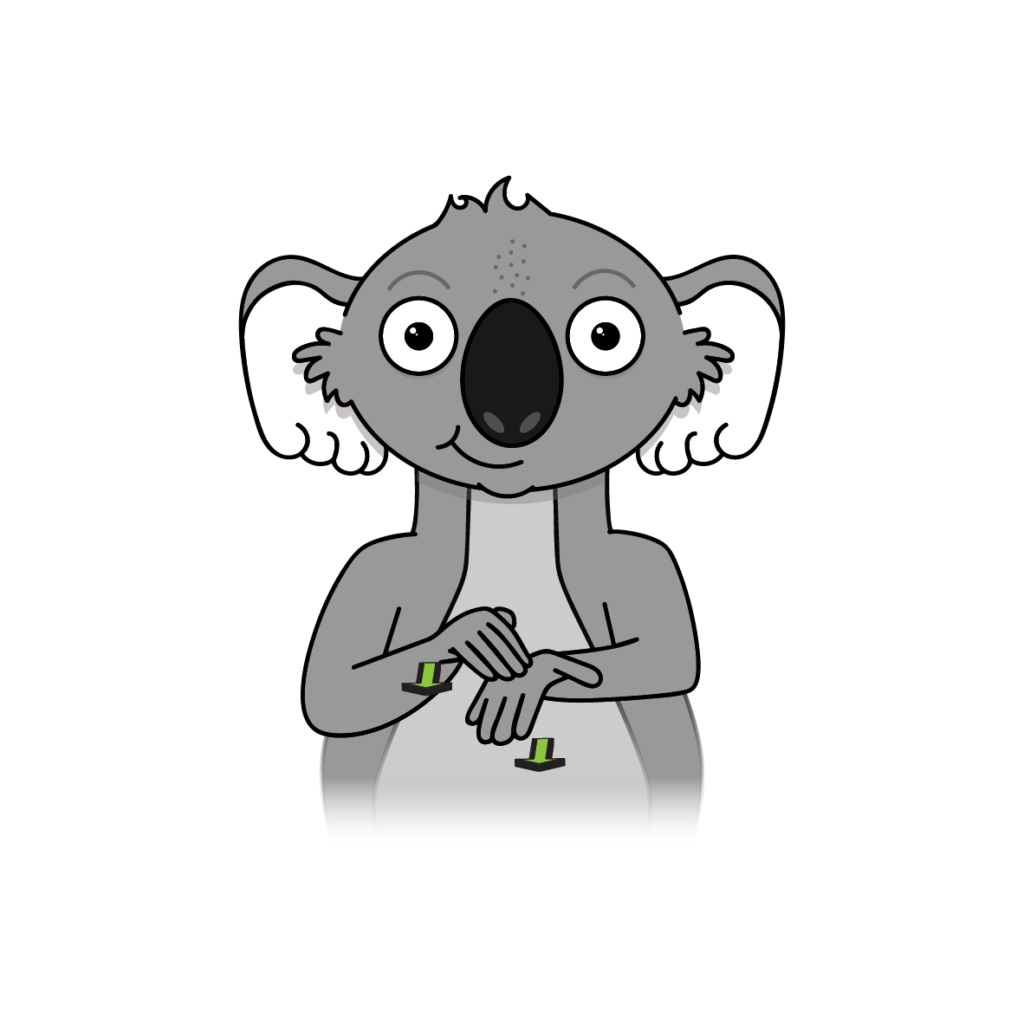
The good, the hard & how to handle it
5
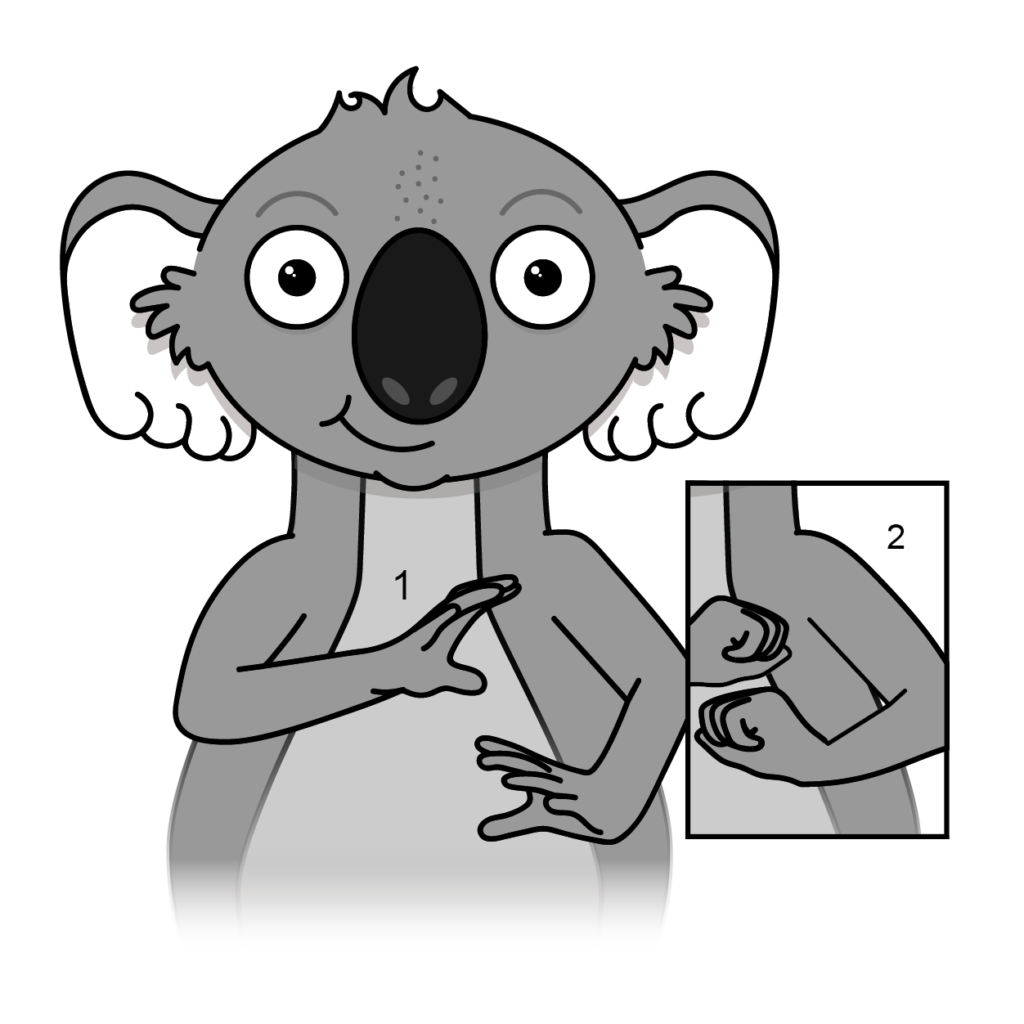
What we'll each try
6
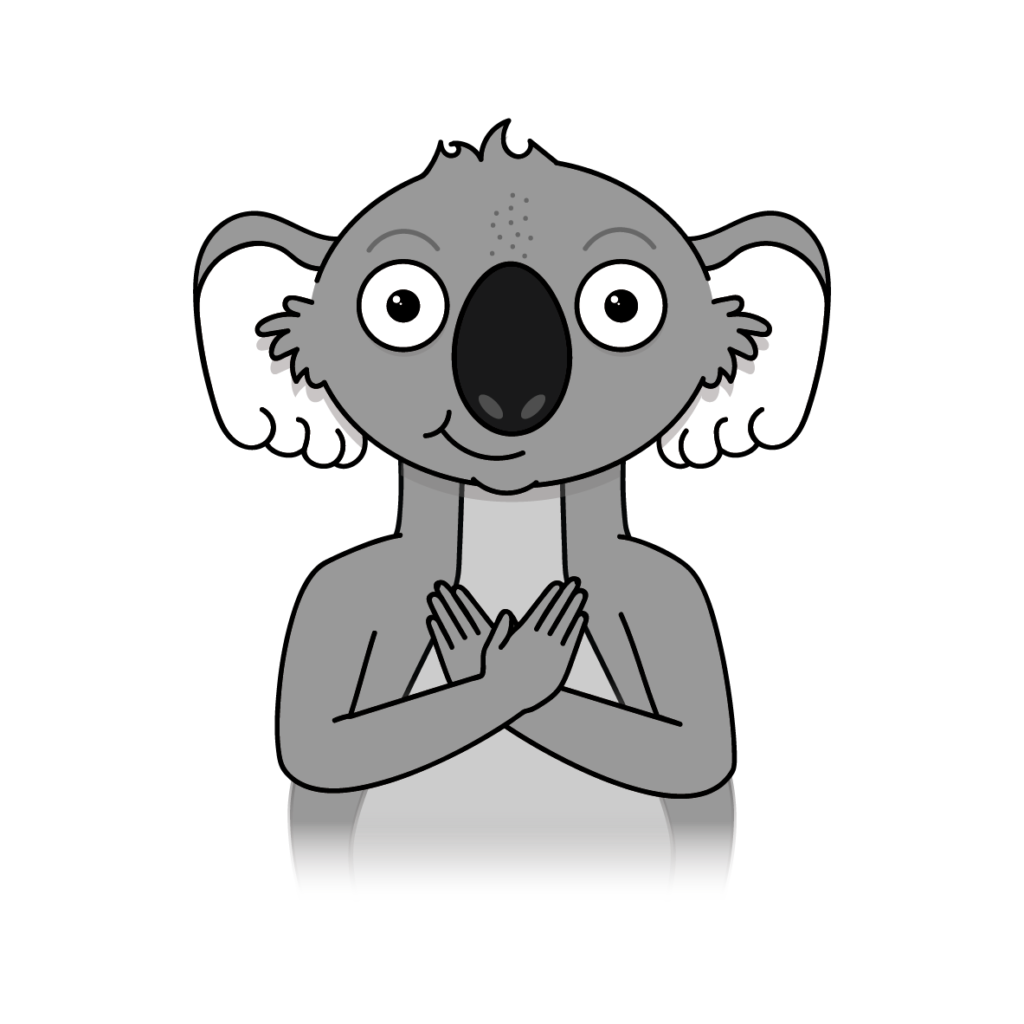
Appreciation & wrap up
Community of Practice · The plan07 / 39
Disability Advocacy ServiceIcebreaker
Icebreaker · let's warm up
Dream job.
When you were a kid — what was your dream job? Astronaut? Footy star? Vet? ⭐ Did you ever get close?
Community of Practice · Icebreaker08 / 39
Key Word Signwork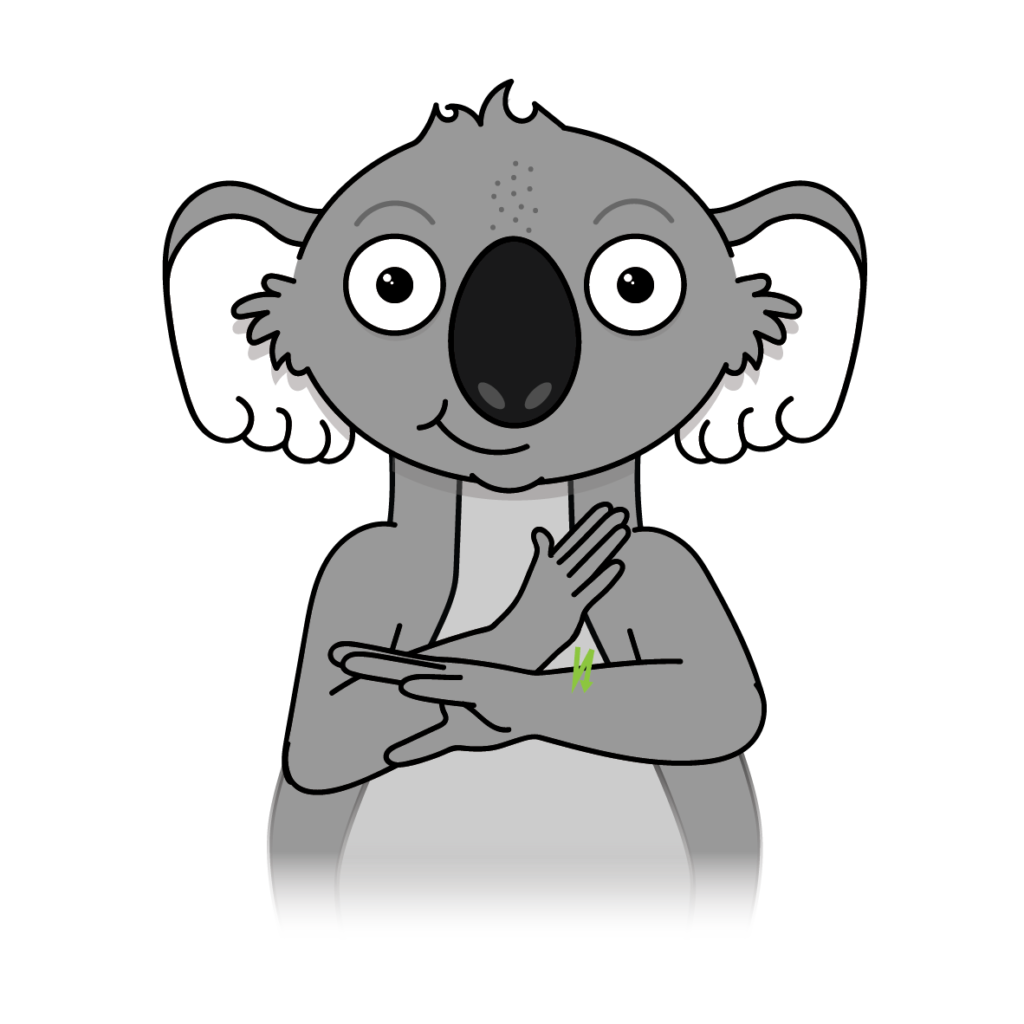
Disability Advocacy ServiceA story
Mandy wants to tell you about someone
Let me tell you
about someone.
A young worker. Their first real job. No one ever really told them what was expected — no checklist, no "here's how we do things around here."
They turned up in the same dirty, smelly clothes every single shift, and just… wandered around, getting told off for doing the wrong thing. They never seemed to know the rules everyone else just knew.
They turned up in the same dirty, smelly clothes every single shift, and just… wandered around, getting told off for doing the wrong thing. They never seemed to know the rules everyone else just knew.
Community of Practice · A story09 / 39
Key Word Signworried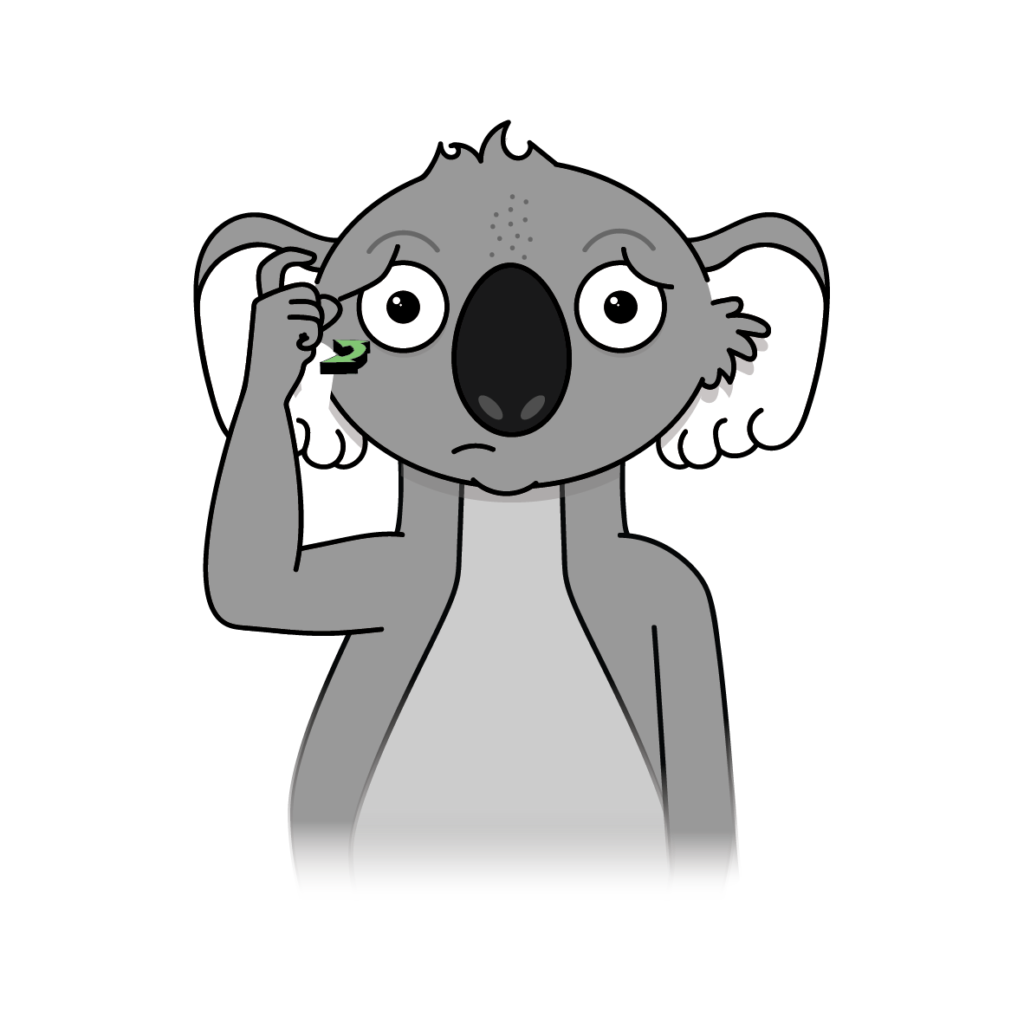
Disability Advocacy ServiceA story
It got worse before it got better
People started to worry.
A few months in, someone rang the boss — they'd spotted a homeless kid going through the bins out the back. It wasn't a homeless kid. It was them — just trying to sort things out, doing their best.
Their mum worried they were in over their head. And somehow, every week, they had no money.
Their mum worried they were in over their head. And somehow, every week, they had no money.
Community of Practice · A story10 / 39
Key Word Signfamily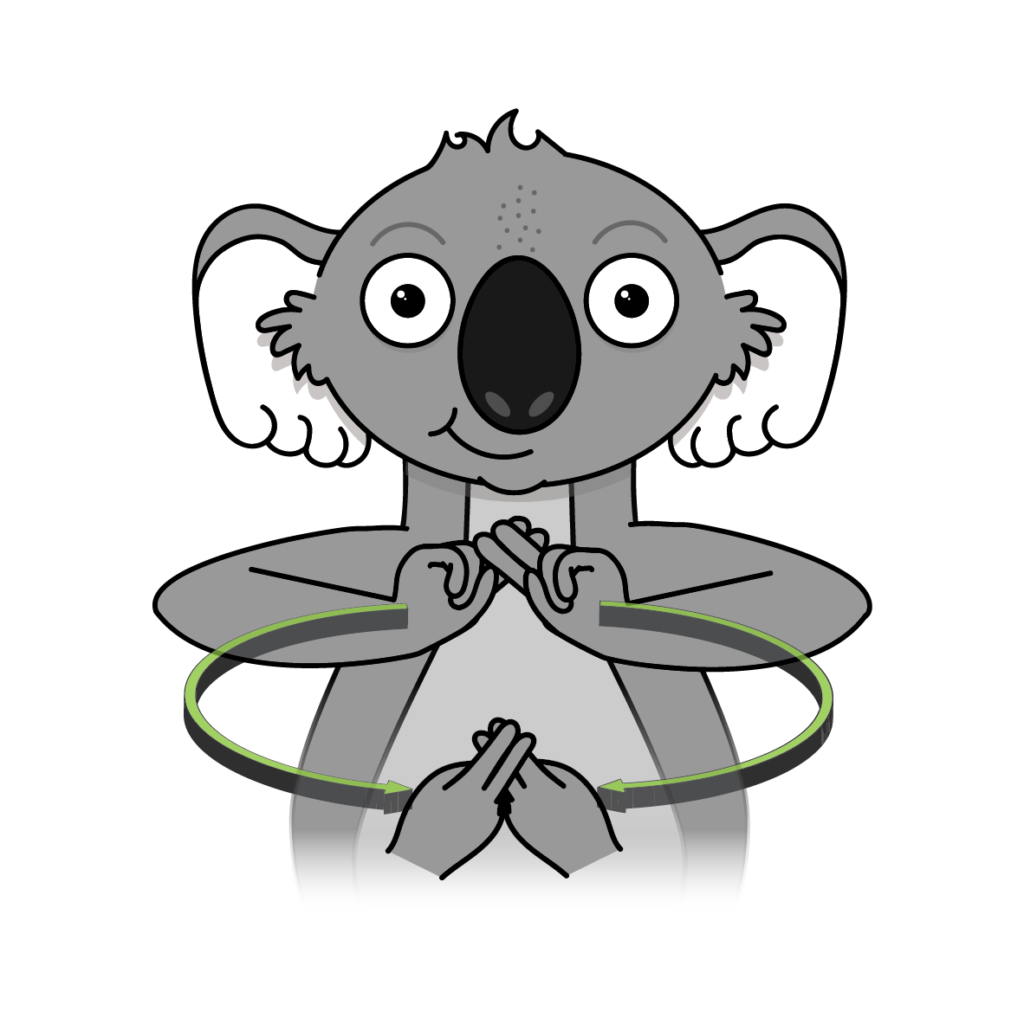
Disability Advocacy ServiceThe reveal
So… who was it?
Guess what.
That person was Lukas — aged 13, on his very first job.
$6.99 an hour — and he'd spend $7 on a Subway on the way in. So most shifts, he made minus one cent.
Community of Practice · Guess what11 / 39
Key Word Signexcited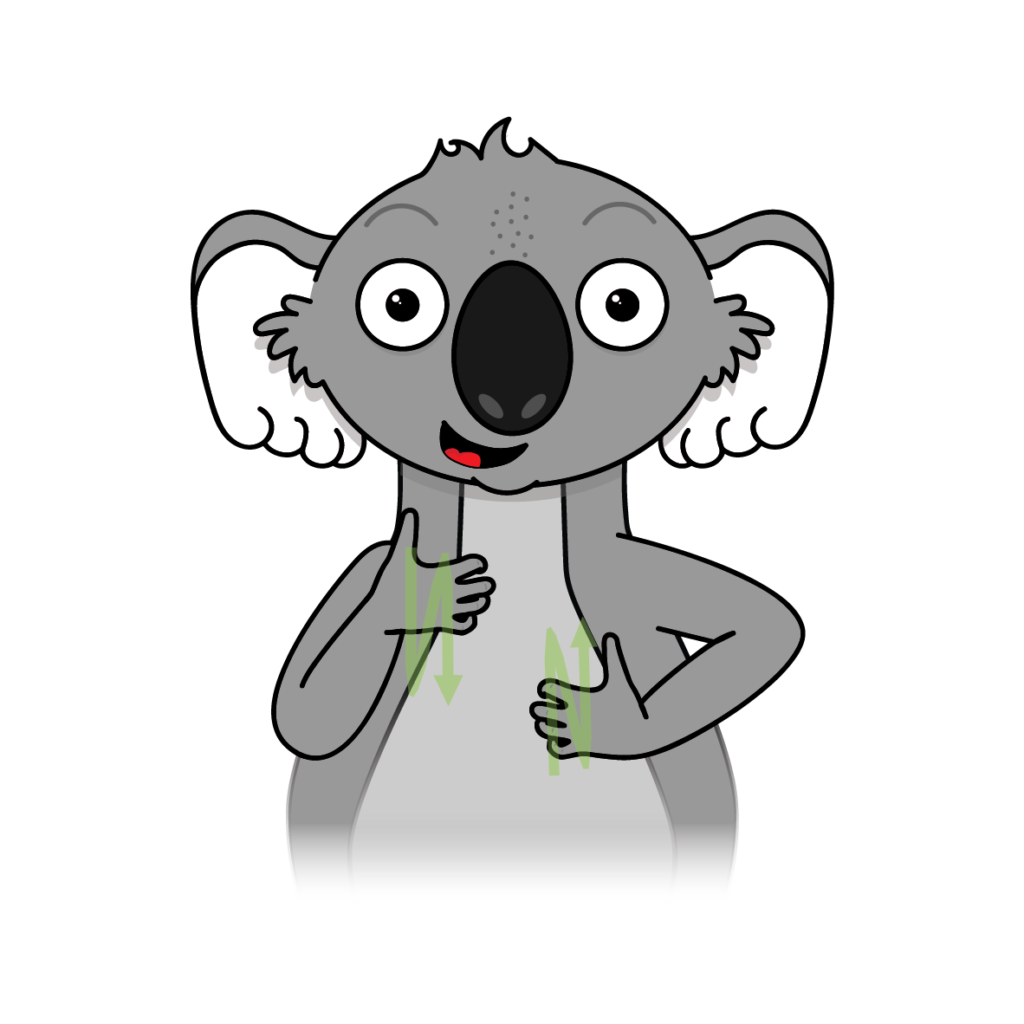
Disability Advocacy ServiceIt never stops
Yep — that was me
And it never really stopped.
If you pictured someone with a disability — that's a natural leap. It was just a kid, new to work. And "new" kept happening to me:
The garage
Turn up, get changed, look busy, don't get yelled at.
First office job
Answer the phone. Be on time. Get things done.
Support work
Learn to keep some thoughts to myself.
First exec role
Manage people's feelings. Hold boundaries. Try not to burn out (I did).
Community of Practice · Always new12 / 39
Key Word Signthink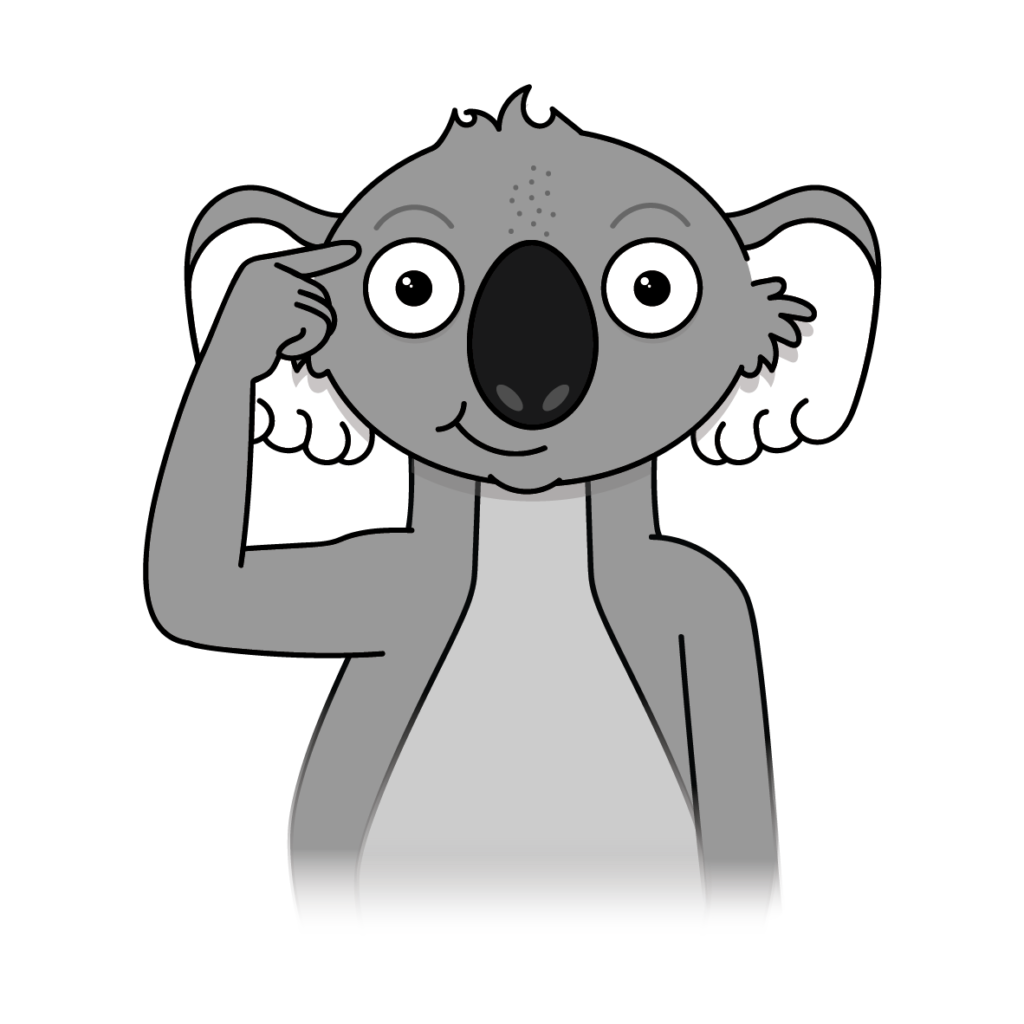
Disability Advocacy ServiceThe reframe
What the story tells us
Often, it's
not the disability.
Where a disability does affect the job, we usually already sort that — in the job description, in the adjustments.
What we forget to plan for is simpler: this might be someone's first, second or third go at work. A few weeks of experience. It's all new.
That's not disability. That's being new. And we've all been new.
That's not disability. That's being new. And we've all been new.
Community of Practice · The reframe13 / 39
Disability Advocacy ServiceThe one big idea
If you take one thing away
You're the employer —
not the support system.
Your job is to be a good employer — working with the person, and with the supports around them. Not replacing them. Not becoming one of them.
Community of Practice · Big idea14 / 39
Key Word Signsupport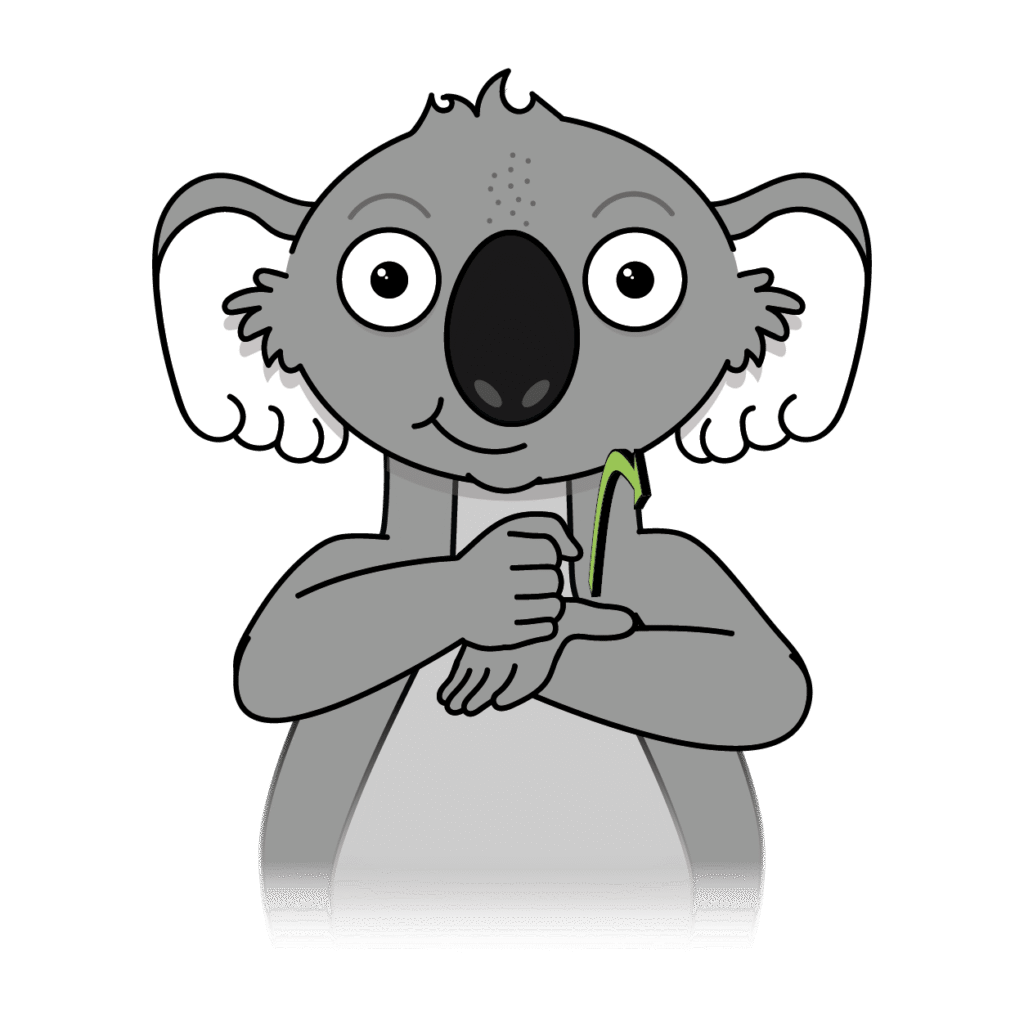
Disability Advocacy ServiceWhat we mean today
Just so we're all talking about the same thing
Today is about
open employment.
A regular job, in a regular workplace, on regular award wages — same as anyone else.
Not supported employment (like an ADE), and not the Supported Wage System. Those exist, and they have their place — but today we're talking about ordinary jobs, with the right support around the person.
Community of Practice · Open employment15 / 39
Key Word Signwork
Disability Advocacy ServiceThe business case
Why employ people with disability?
Because it works.
They stay
Higher retention than other staff — less rehiring, less cost. One DES program hit 95%+.
Fewer sick days
Lower absenteeism than their peers.
Safer
Lower risk of workplace injury — not higher.
Just as productive
Equal — and sometimes better.
Community of Practice · It works · Safe Work Aus · ADN16 / 39
Key Word Signstrong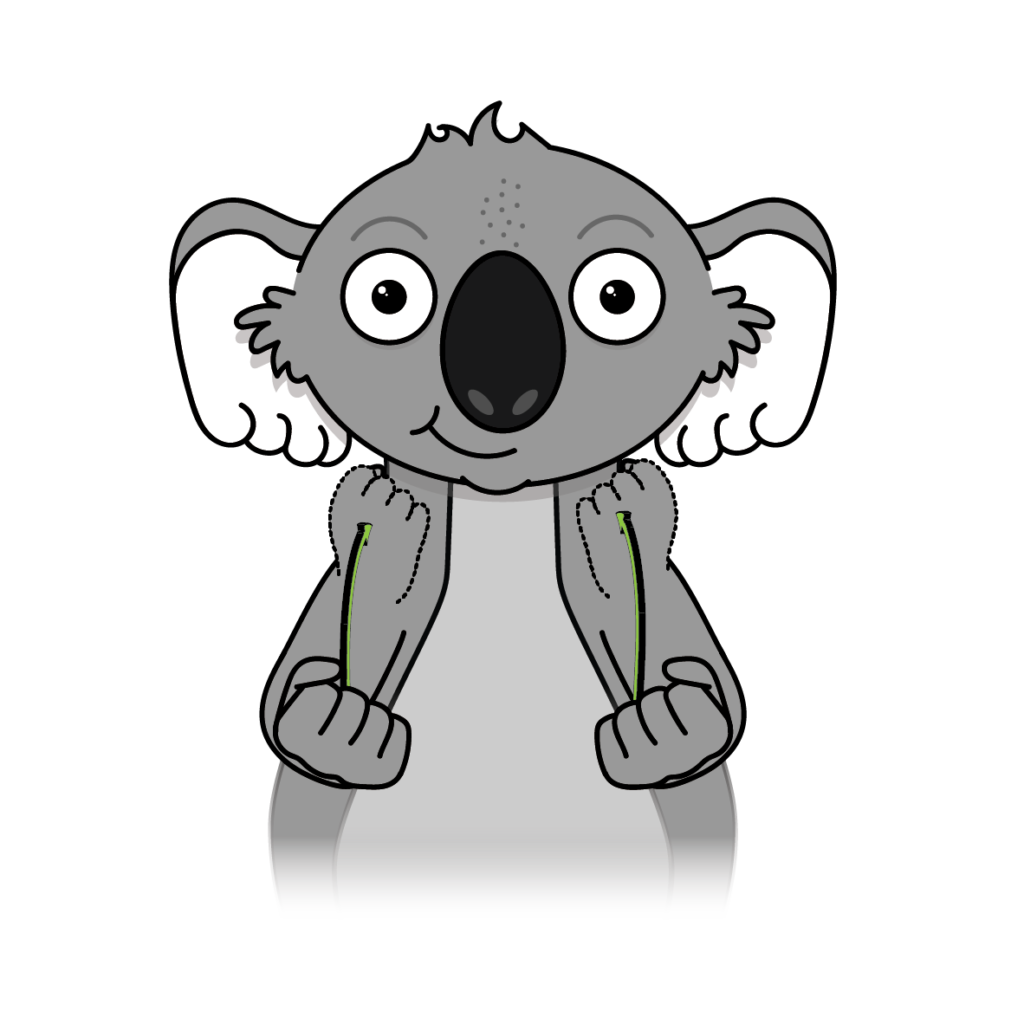
Disability Advocacy ServiceCards out!
First vote · grab your cards
"Hiring someone with disability means expensive changes to the workplace."
Green = agree · Yellow = not sure · Red = disagree · then turn the page
Community of Practice · First vote17 / 39
Key Word Signthink
Disability Advocacy ServiceBusting the myth
Holding red? Spot on — it's a myth
Most adjustments
cost nothing.
- About 60% of workplace adjustments cost $0.
- The rest are usually paid by the Employment Assistance Fund — a free government scheme.
- JobAccess helps you set it up. Call 1800 464 800.
- You rarely pay out of your own pocket.
Community of Practice · The cost myth · ADN · JobAccess18 / 39
Key Word Signokay
Disability Advocacy ServiceThe bigger picture
Zoom out
Talent —
not charity.
- 2.1 million working-age Australians have disability.
- Closing the employment gap by a third would add about $43 billion to the economy.
- This is a workforce. Not a favour.
Community of Practice · Big picture · Deloitte · ADN19 / 39
Key Word Signcommunity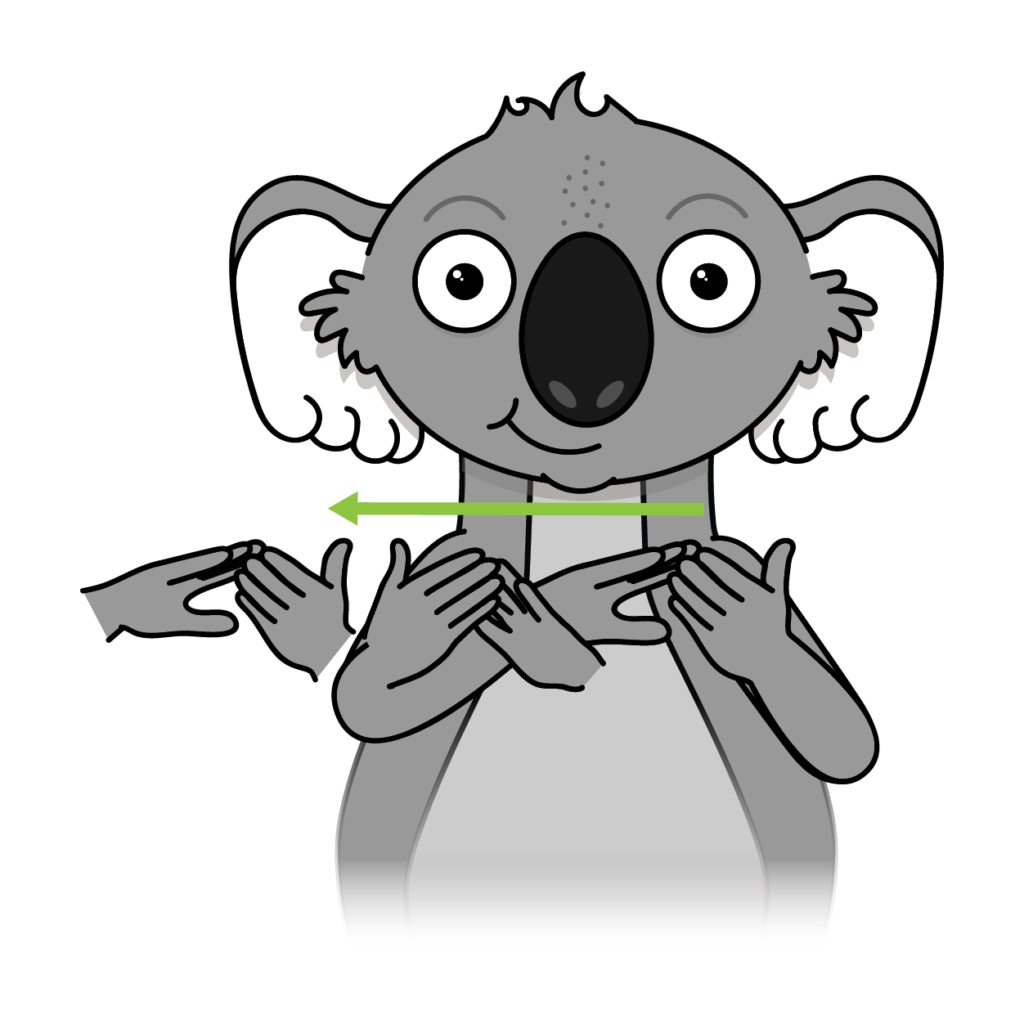
Disability Advocacy ServiceThe rules, plainly
How to get it right
Three things, in plain words.
Ask first
Always start with the person. They're the expert on what helps them — ask, don't guess, and don't go to others first.
Adjustments
You must make reasonable adjustments — it's the law. Only exception: if it would cause real, provable hardship.
Equal pay
Same work, same pay. Paying less because of disability is against the law.
Community of Practice · The rules · DDA · Fair Work20 / 39
Key Word Signhelp
Disability Advocacy ServiceLet's get practical
Real situations
What do we do
when…?
Five real situations. Hold up a card or call out what you'd do — then we'll turn the page and talk about it.
?
Community of Practice · Scenarios21 / 39
Key Word Signgroup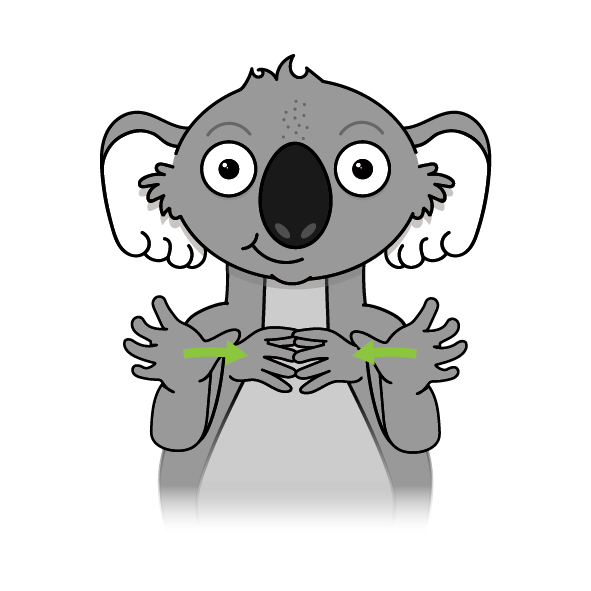
Disability Advocacy ServiceSituation
Situation 1 of 5
Someone's mum rings, and asks how they're going at work.
What would you do? · then turn the page
Community of Practice · Situation 122 / 39
Key Word Signphone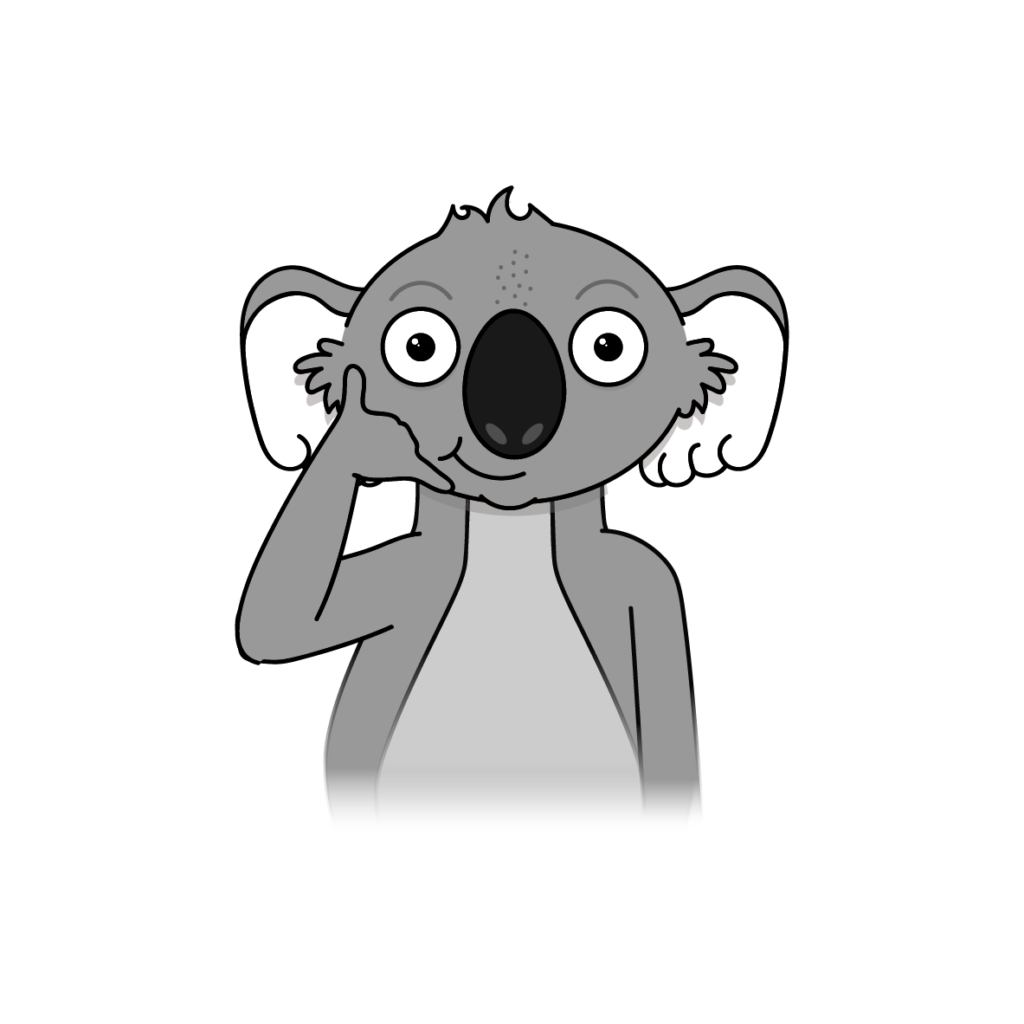
Disability Advocacy ServiceSituation · What to do
Situation 1 — "Their mum rings to ask how they're going."
Good move
Treat it like any adult employee. You can't share how someone's going without their say-so. Try: "I can't talk about that without [name]'s okay — happy to sit down together if they'd like." A worried mum is love, not overstep — but the conversation belongs to the worker.
Community of Practice · Situation 123 / 39
Key Word Signfamily
Disability Advocacy ServiceSituation
Situation 2 of 5
A worker tells you they've got no money.
What would you do? · then turn the page
Community of Practice · Situation 224 / 39
Key Word Signwant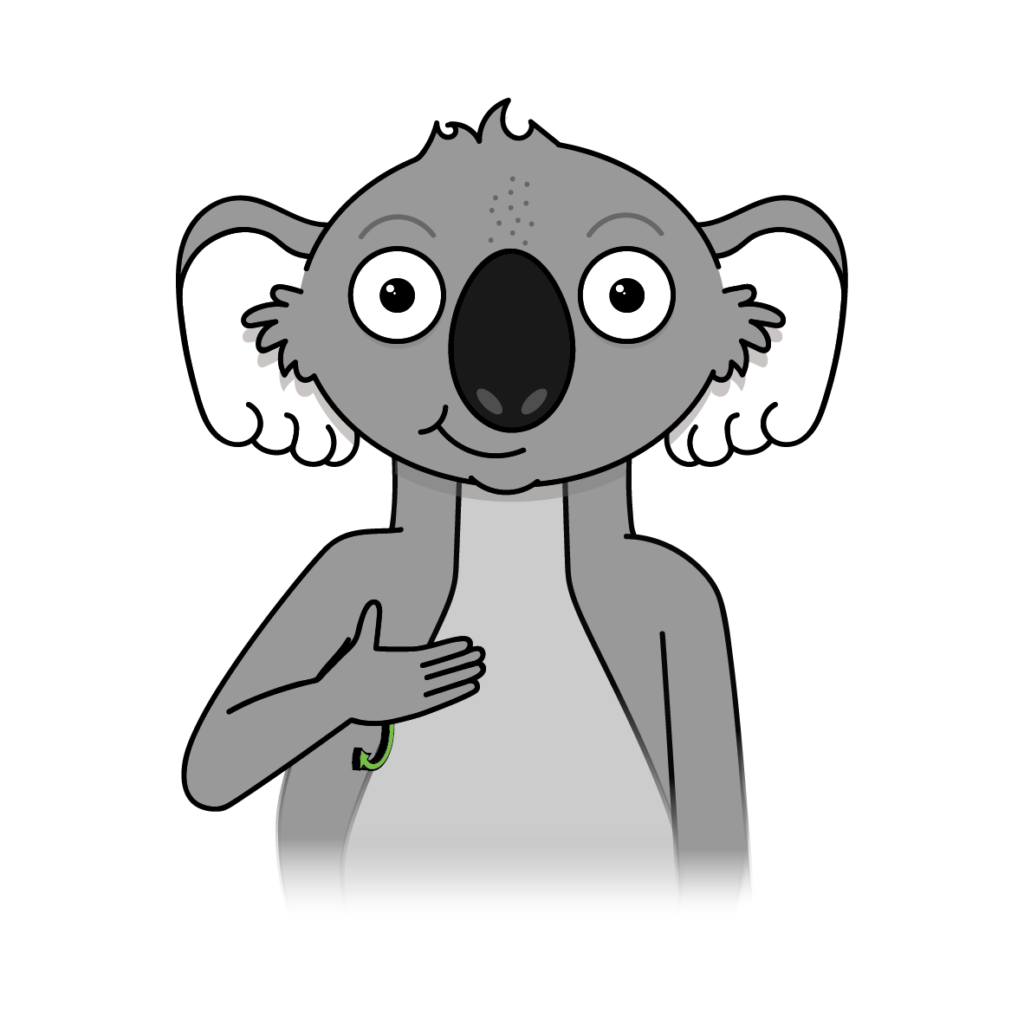
Disability Advocacy ServiceSituation · What to do
Situation 2 — "I've got no money."
Good move
Be human — start by asking the person what's going on and what would help. Then check your own house: are they paid right, and getting enough hours? A pay problem is yours to fix. Beyond that, help them connect with support they choose: financial counselling (1800 007 007), or their support coordinator. You're their boss — not their bank.
Community of Practice · Situation 225 / 39
Key Word Signhelp
Disability Advocacy ServiceSituation
Situation 3 of 5
A worker says something inappropriate.
What would you do? · then turn the page
Community of Practice · Situation 326 / 39
Key Word Signstop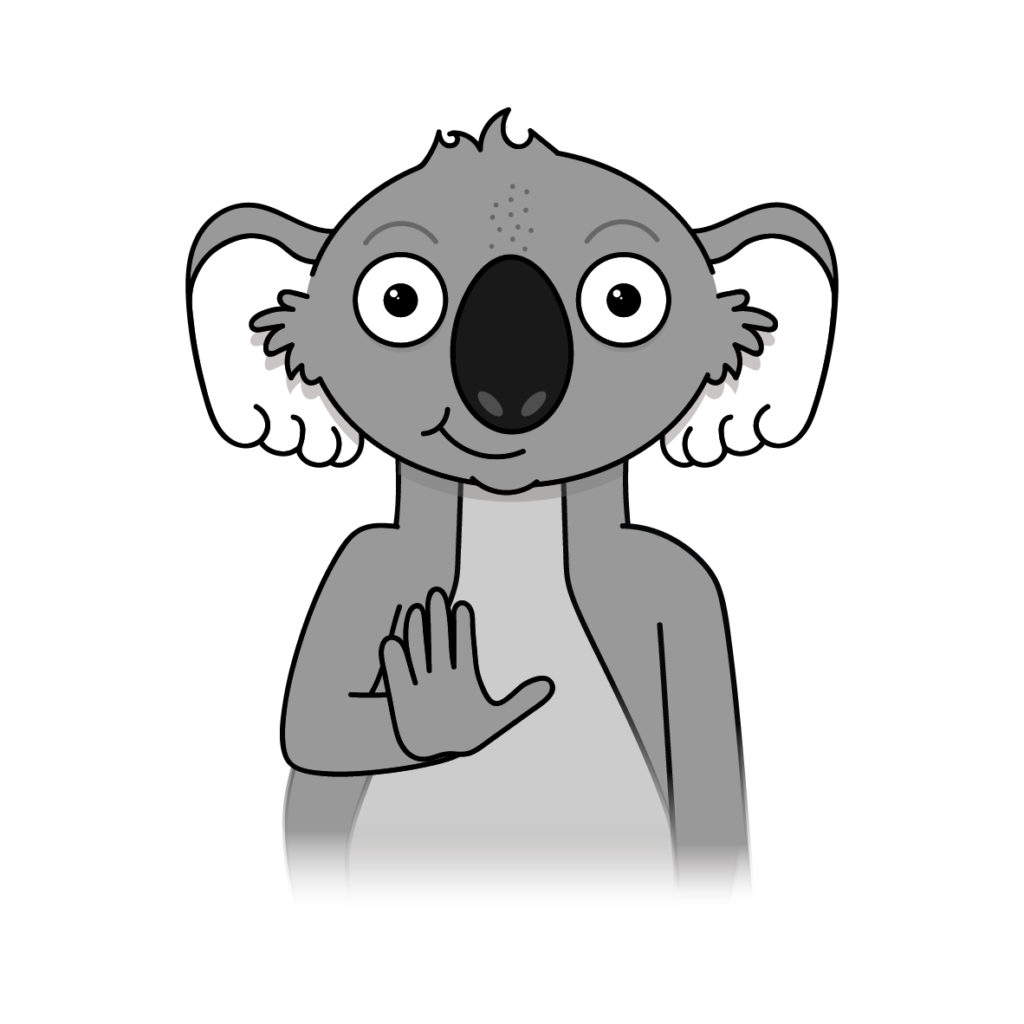
Disability Advocacy ServiceSituation · What to do
Situation 3 — "They say something inappropriate."
Good move
Same standards as anyone — clearer coaching. Say what you'd like instead, plainly and privately, and explain why. Don't laugh it off ("they can't help it"), and don't come down hard. Assume they can learn — because we all did.
True story: in my first support-work job, plenty of opinions came out of my mouth that should have stayed in my head. One quiet, straight chat from my supervisor fixed it. Nobody wrote me off.
True story: in my first support-work job, plenty of opinions came out of my mouth that should have stayed in my head. One quiet, straight chat from my supervisor fixed it. Nobody wrote me off.
Community of Practice · Situation 327 / 39
Key Word Signfriend
Disability Advocacy ServiceSituation
Situation 4 of 5
A worker needs an adjustment to do their job.
What would you do? · then turn the page
Community of Practice · Situation 428 / 39
Key Word Signdraw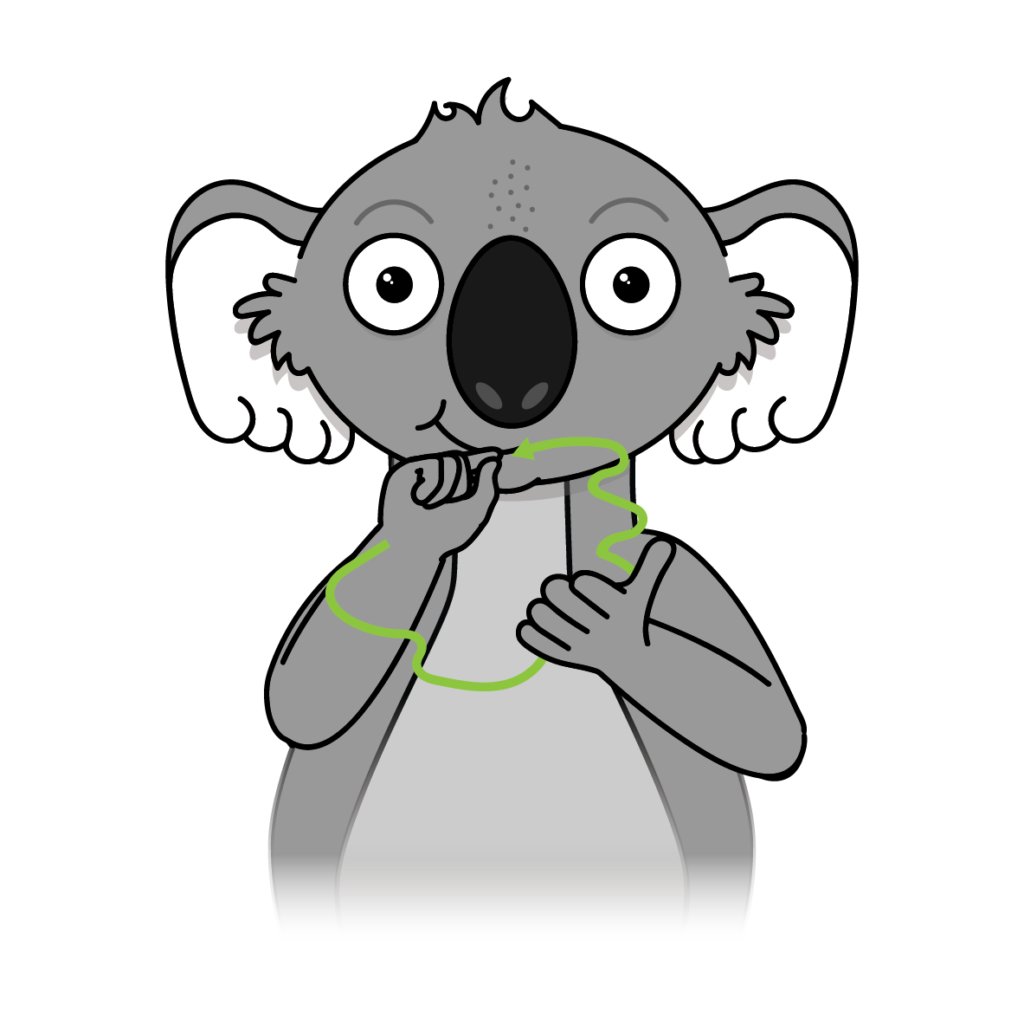
Disability Advocacy ServiceSituation · What to do
Situation 4 — "They need an adjustment."
Good move
Ask them what would help — they know best. Make it normal, not a favour. Most cost nothing; the rest, JobAccess funds (1800 464 800). Write it down, and check back later to see it's still working. It's the law, and it's easy.
Community of Practice · Situation 429 / 39
Key Word Signhappy
Disability Advocacy ServiceSituation
Situation 5 of 5
A worker keeps turning up in the wrong clothes for the job.
What would you do? · then turn the page
Community of Practice · Situation 530 / 39
Key Word Signuniform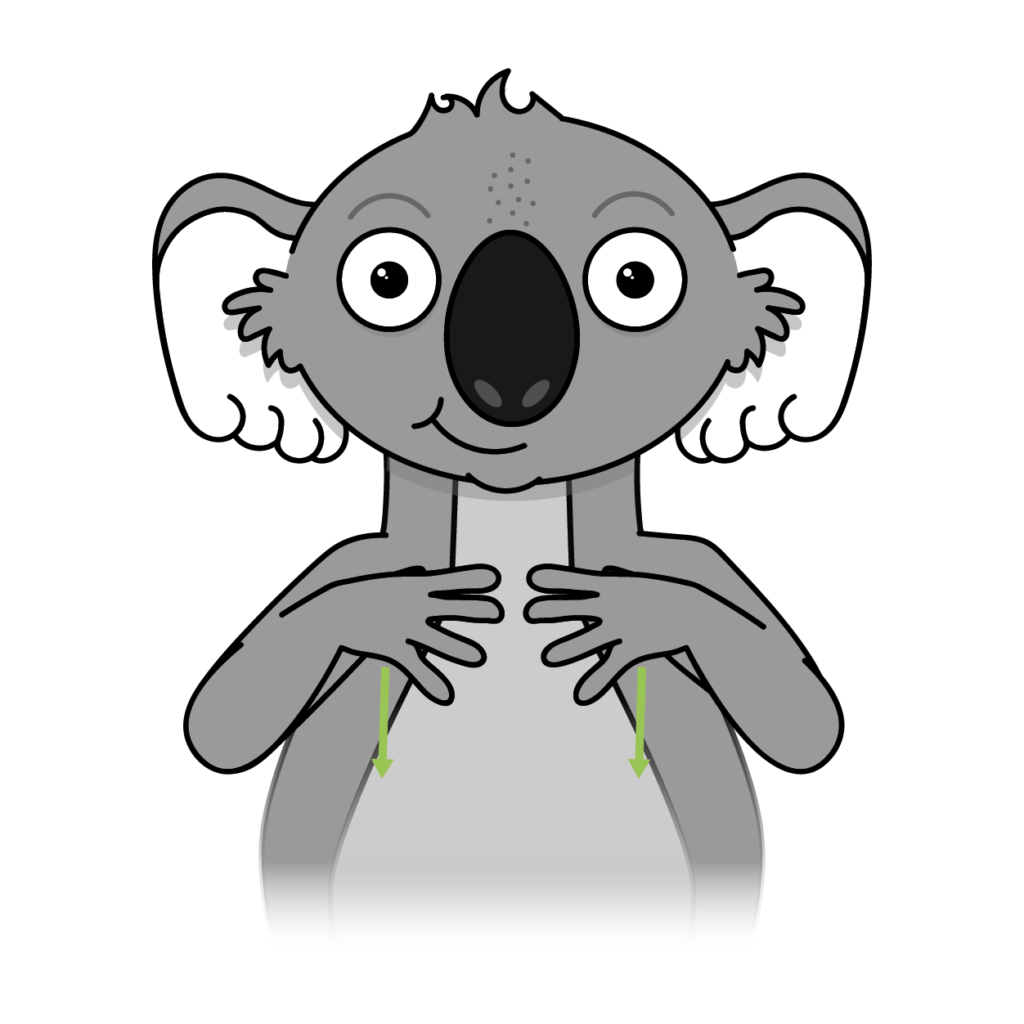
Disability Advocacy ServiceSituation · What to do
Situation 5 — "They keep turning up in the wrong clothes."
Good move
Tell them — kindly, specifically, and early. Don't drop hints; show them what "right" looks like. Nobody is born knowing a dress code.
True story: I wore my dirty mechanic's clothes to every shift. A few months in, someone rang my boss to report a homeless kid going through the bins. It was just me — sorting things out. No one had told me. A two-minute chat would've saved it.
True story: I wore my dirty mechanic's clothes to every shift. A few months in, someone rang my boss to report a homeless kid going through the bins. It was just me — sorting things out. No one had told me. A two-minute chat would've saved it.
Community of Practice · Situation 531 / 39
Key Word Signgood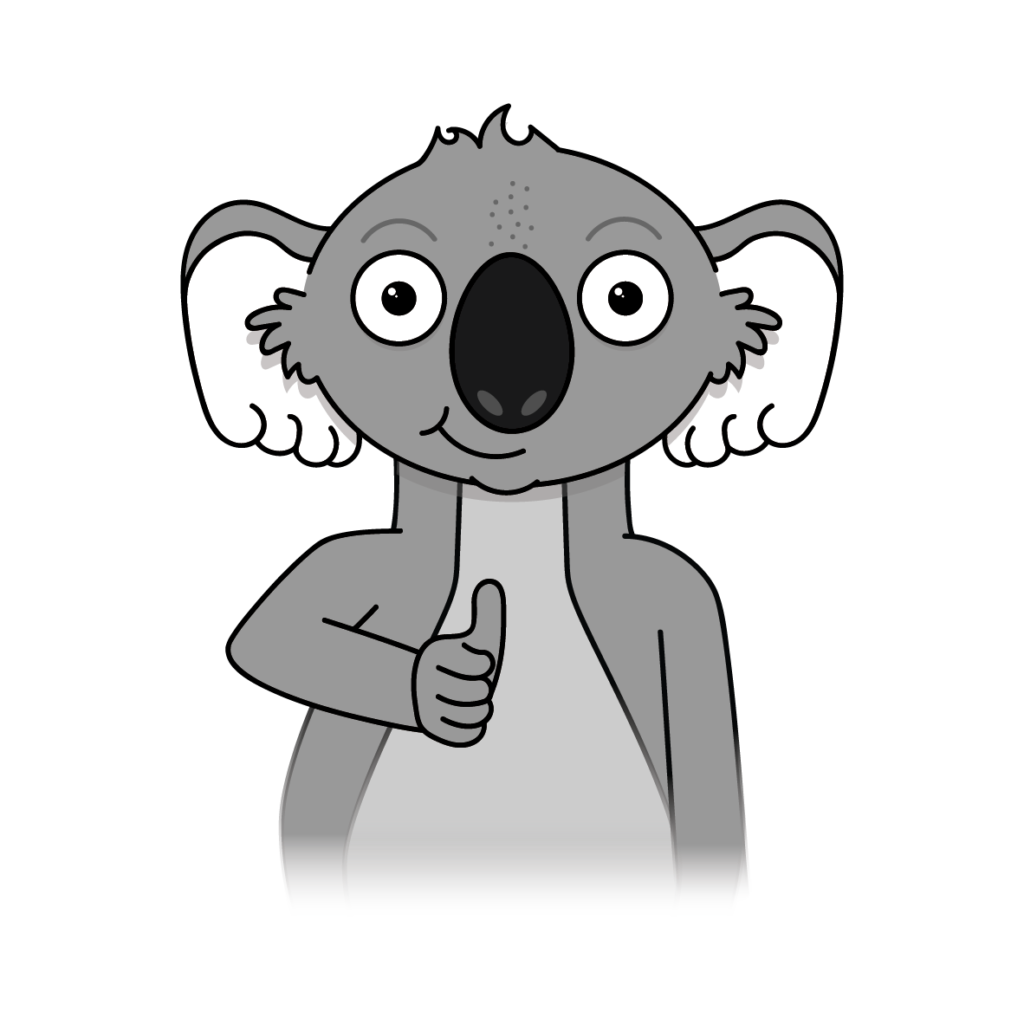
Disability Advocacy ServiceTwo things to get right
Pay & jobs
Pay fairly.
Build real jobs.
Pay fairly
Equal pay is the default and the law. There's one lawful way to pay less — the Supported Wage System — and only after an independent assessment, with a wage floor. Use it carefully, never as a shortcut.
Don't cannibalise jobs
Don't cut existing roles to slot someone in cheaply, or lead with your hardest placement before you're ready. Build real roles, get your supports right, start where you're confident, grow from there.
Community of Practice · Pay & jobs · Fair Work · SWS32 / 39
Key Word Signproud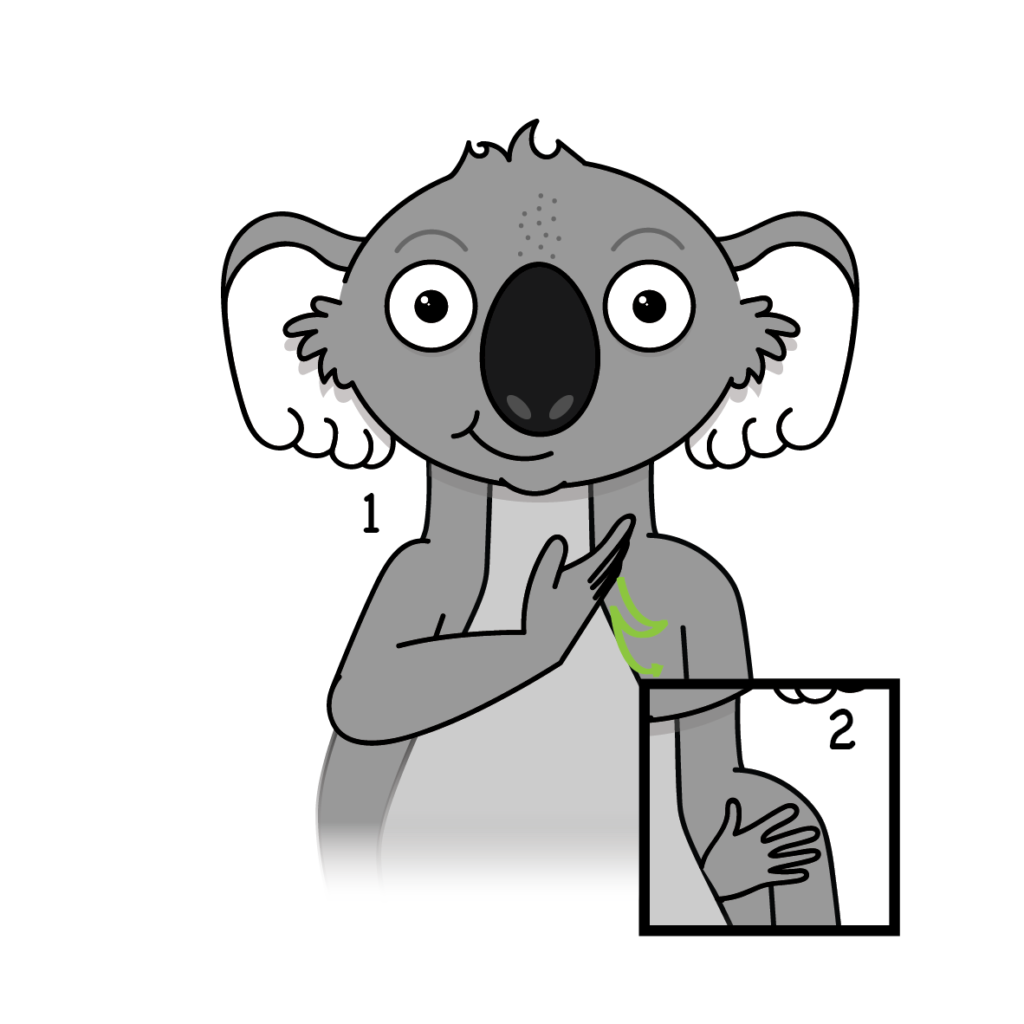
Disability Advocacy ServiceThe support around the person
Back to the big idea
Know the team.
Don't become it.
Start with the person — then the people around them:
- The person themselves — always first; their preferences lead
- A job coach or DES provider
- A support coordinator
- A mentor, family, or a guardian — only with the person's consent
Work with the person and their team — never around them. Agree early, with the person, who you can talk to and about what.
Community of Practice · The team33 / 39
Key Word Signsupport
Disability Advocacy ServiceA tool for everyone
The one-page profile
One page. Everyone.
One page: what people like about me · what matters to me · how to support me best.
Here's the trick: do it for the whole team — not just the worker with disability.
Everyone has things that help them work well. When everyone has one, the "special treatment" feeling disappears — and you support everyone better.
Community of Practice · One-page profiles34 / 39
Key Word Signthink
Disability Advocacy ServiceOne last thing
The closer
Ever read a support plan and think —
"that's just how I'd want to be treated"?
Be respectful. Give me warning before change. Explain why. That's not special — it's good practice, we've just been made to write it down.
Like a kerb ramp: cut for wheelchairs, used by everyone.
↑
Community of Practice · The closer35 / 39
Key Word Signsafe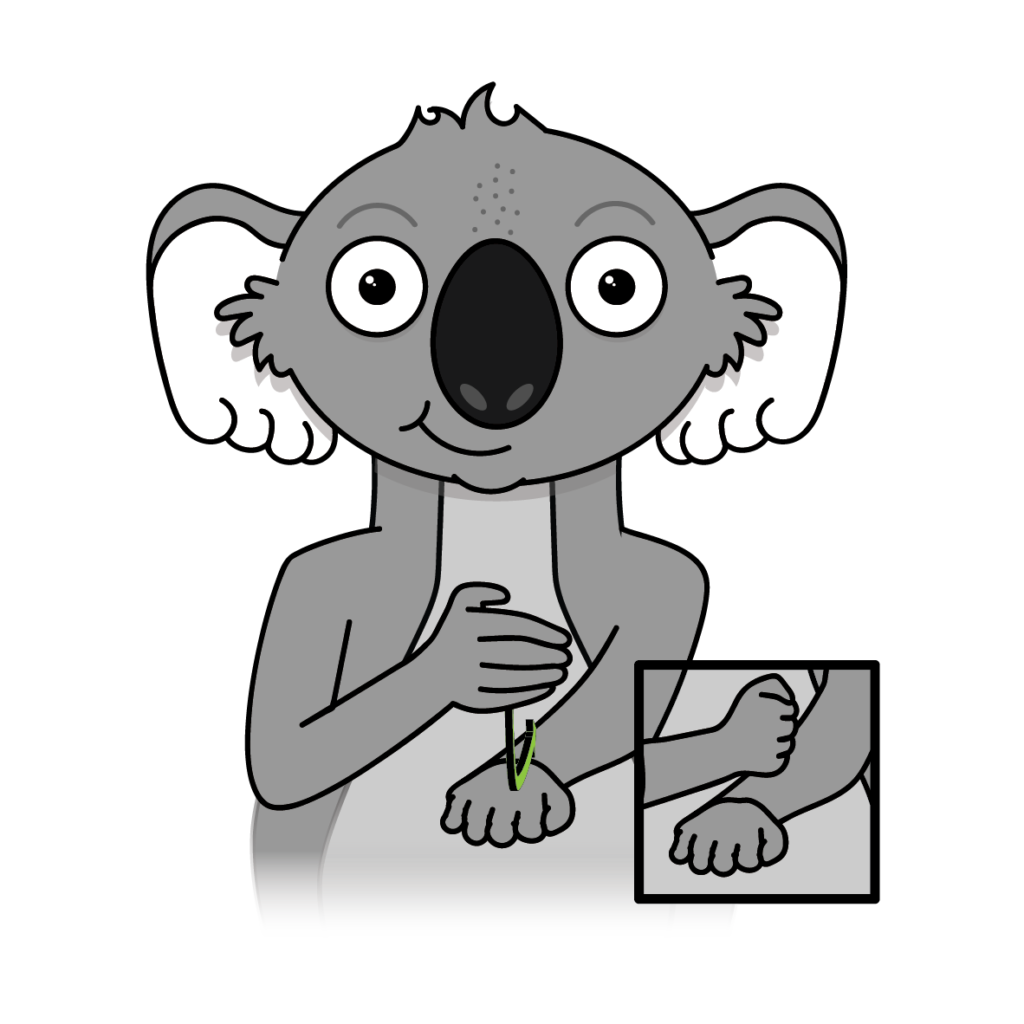
Disability Advocacy ServiceBefore you leave
Your turn
One thing.
Name one thing your organisation will try — before we meet again.
Write it down. We'll check in next time.
→
Community of Practice · Your turn36 / 39
Key Word Signhero
Disability Advocacy ServiceAppreciation
Appreciation round
Who do you appreciate?
What — or who — do you appreciate in today's meeting? Let's go round the room.
Community of Practice · Appreciation37 / 39
Key Word Signlove
Disability Advocacy ServiceThank you
Thank you
Everyone is new
at something.
We get to be part of how it goes. Meet people where they're at.
Need a hand? JobAccess 1800 464 800 · your local DES provider · DAS — we can point you the right way.
Next meeting: [date to confirm].
Need a hand? JobAccess 1800 464 800 · your local DES provider · DAS — we can point you the right way.
Next meeting: [date to confirm].
Community of Practice · Thank you38 / 39
Key Word Signthank you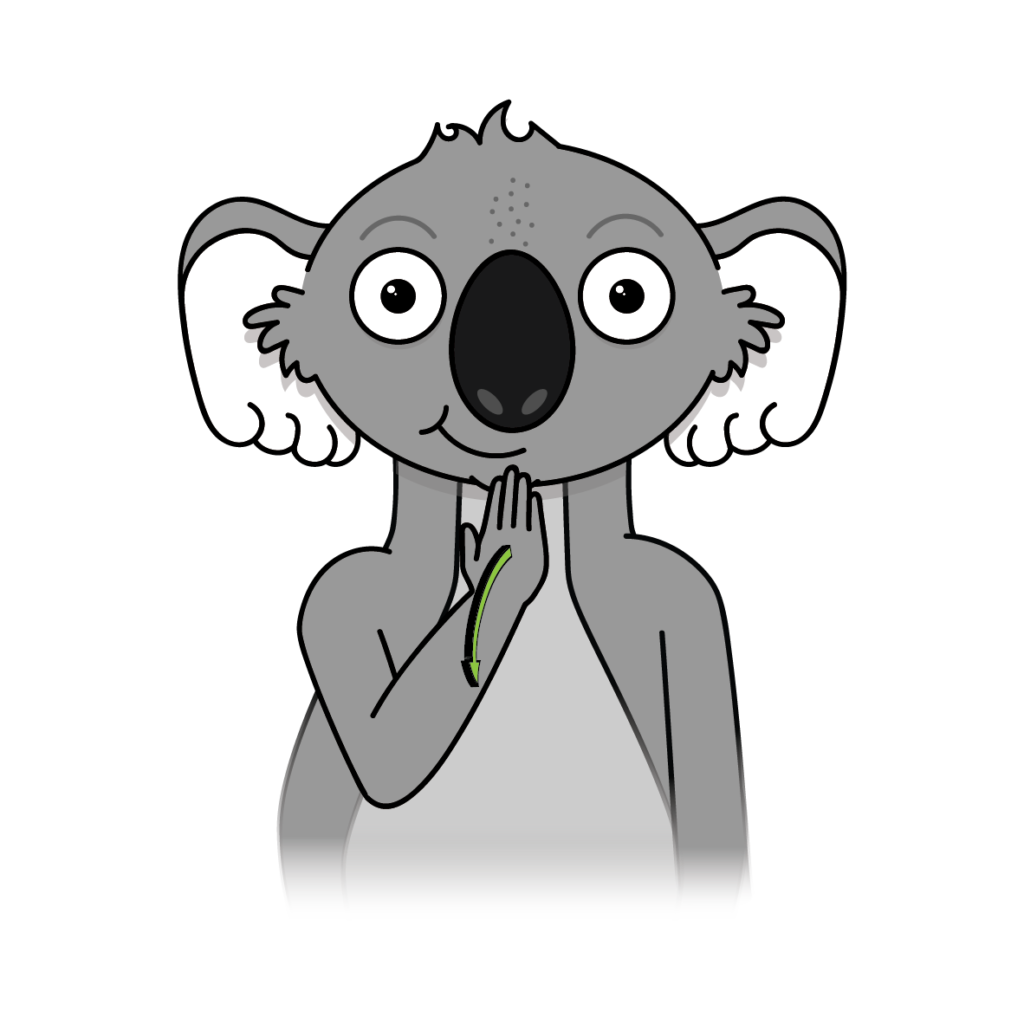
Disability Advocacy ServiceEnd · Community of Practice
Thank you
Disability
Advocacy
Service.
DAS · Mparntwe / Alice Springs39 / 39